

 Contact Us Now
Need Support?
Please provide your question. We’ll find you with the best support options.

ISK Bearings | B2B Bulk Bearing Procurement
Table of Contents
II. How to Read Bearing Precision and Specifications
III. The 5 Components of a Bearing
IV. What Types of Bearings Are There?
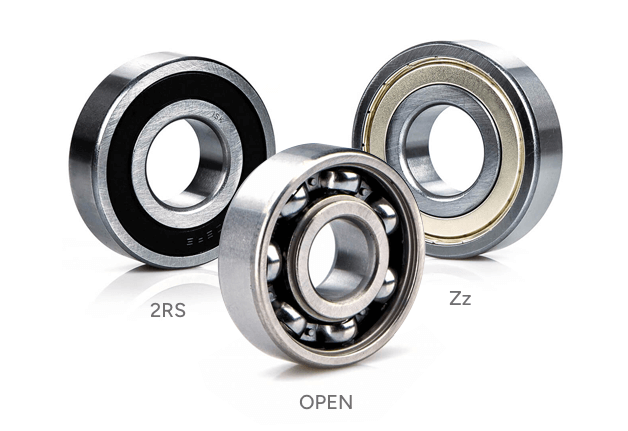
A bearing is a device that enables rotary or linear motion, effectively reducing friction and handling stress. It allows components to roll smoothly, minimizing friction between bearing surfaces and rolling surfaces. Reducing friction not only produces smoother motion but also improves speed and efficiency.
This technology supports the proper operation of mechanical systems and can be applied across a wide range of equipment that requires rotational or sliding movement, delivering reliable performance for machinery in motion. From automotive engines and industrial production equipment to household appliances, bearings are found everywhere.
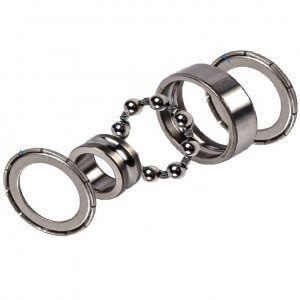
The basic operating principle of a bearing is to achieve smooth shaft rotation by placing rolling elements — such as balls, needle rollers, or rollers — between the inner ring and outer ring. These rolling elements roll between the two rings, reducing friction between the contact surfaces and allowing the shaft to rotate smoothly.

Bearing precision is graded from ABEC 1 to ABEC 11. The higher the number, the higher the precision and the tighter the tolerance.
However, this does not mean that a higher-precision bearing will necessarily achieve a higher rotational speed. A bearing's rotational speed and performance depend not only on its precision grade, but also on cleanliness, lubrication level, and the degree of wear. Furthermore, a higher-precision bearing does not necessarily have a longer service life than a lower-precision one.
 ABEC Grade Comparison Table
| ABEC | ISO 492 | DIN 620 | JIS |
| ABEC 1 | Class Normal | P0 | Class 0 |
| ABEC 3 | Class 6 | P6 | Class 6 |
| ABEC 5 | Class 5 | P5 | Class 5 |
| ABEC 7 | Class 4 | P4 | Class 4 |
| ABEC 9 | Class 2 | P2 | Class 2 |
※ The international standard is ISO 492; the German standard is DIN 620; the Japanese standard is JIS B1514.
⚠️ ABEC grades range from ABEC-1 to ABEC-9. The naming convention is inversely proportional to tolerance — a higher number means lower (tighter) tolerance. Higher ABEC grades (tighter tolerances) provide better precision, which may improve the smoothness and efficiency of equipment operation, but does not necessarily cause the components fitted with the bearing to rotate faster.
.png)
Bearing specifications are typically printed on the bearing's shield or housing as a series of numbers (e.g., 6000, 608).
These numbers are internationally standardized part numbers. Using these numbers, you can look up the detailed dimensions of the bearing, such as bore diameter, outer diameter, and width.
Once you know these part numbers, you can easily source the correct bearing to specification.
For more information, see: How to Read Bearing Specifications

The main components of a bearing are the inner ring, outer ring, rolling elements (such as rollers or balls), cage, and seals.
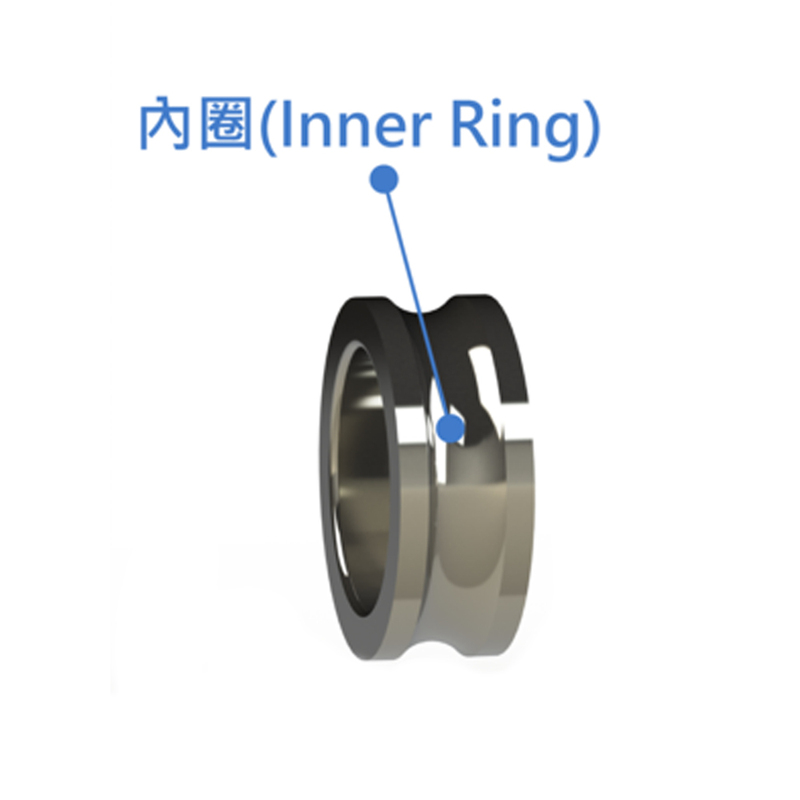
The inner ring is the part fixed onto the shaft, ensuring stable rotation; the outer ring is mounted in the bearing housing.
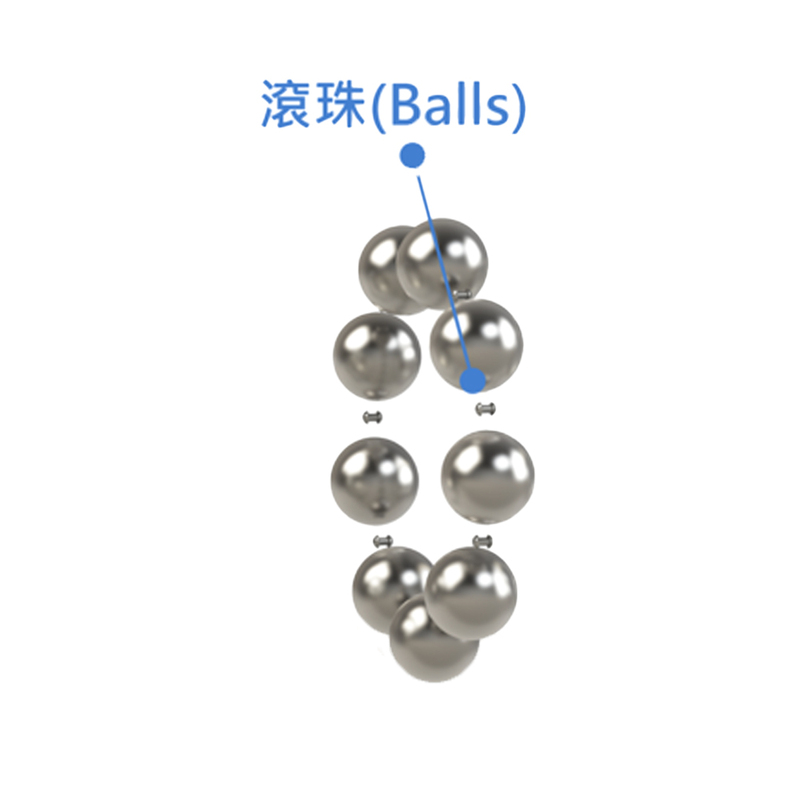
Rolling elements are typically metal balls or rollers. They roll between the inner ring and outer ring, reducing friction between contact surfaces and enabling smooth motion.
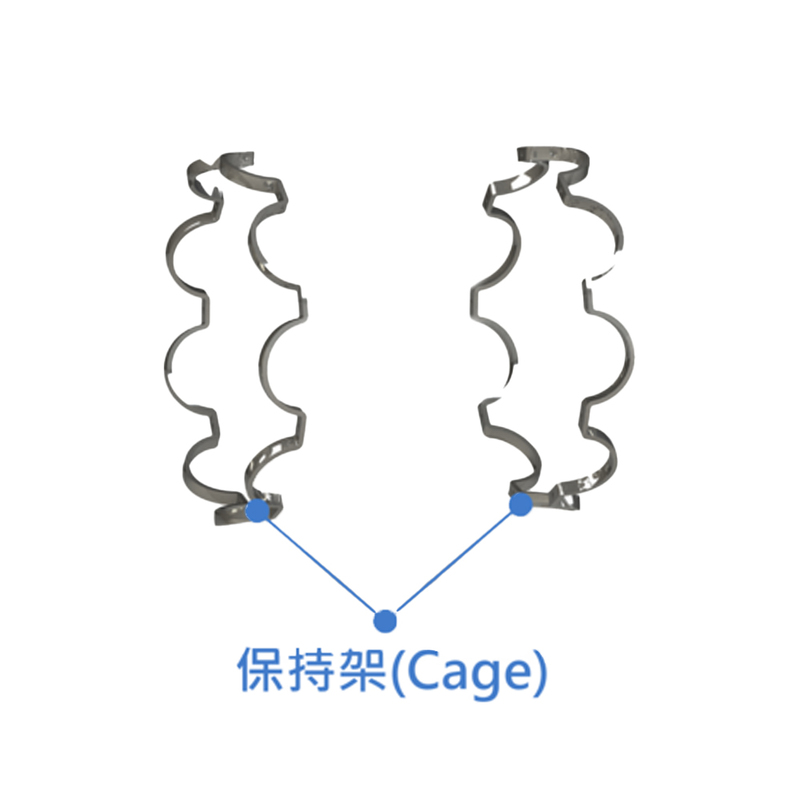
The cage holds the rolling elements in position, keeping them evenly spaced and properly distributed. This reduces friction and extends service life.
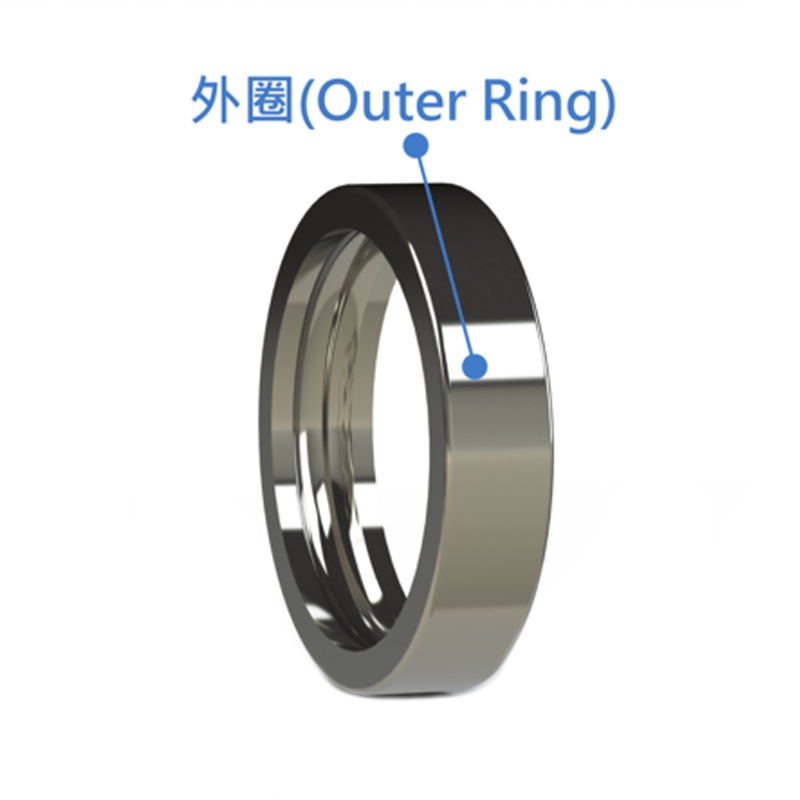
The outer ring encases the rolling elements and inner ring, and is fixed to a bearing housing or other stationary structure.
Seals prevent dust and contaminants from entering the bearing interior, ensure lubricant does not leak out, and maintain a clean operating environment — further extending the bearing's service life.
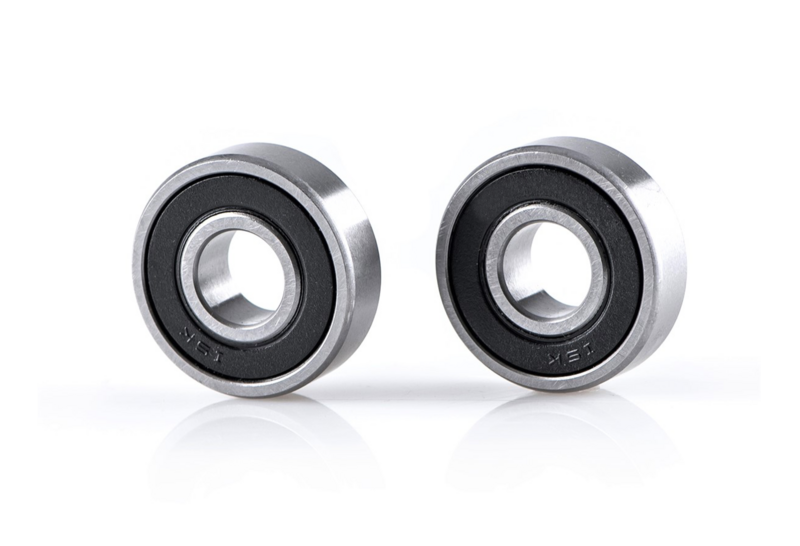
Deep groove ball bearings are one of the most common bearing types. They feature deep, continuous raceways and can handle both radial loads and light axial loads. They are well-suited for high-speed applications such as power tools, machine tools, and electric motors.
Deep groove ball bearings are versatile components known for their ability to reduce friction and minimize axial displacement. They are characterized by high-speed rotational capability, precision, low torque, and minimal noise and vibration, making them a critical choice across many industries. With a wide range of applications, variety of types, and standardized dimensions, installation and replacement are straightforward.
To procure deep groove ball bearings, contact us via the inquiry form
|
Bearing No. |
Bore(d)(mm) |
Outer(D)(mm) |
Width(B)(mm) |
Weight(g) |
|---|---|---|---|---|
| 6000 2RS | 10 | 26 | 8 | 19 |
| 6000ZZ | 10 | 26 | 8 | 19 |
| 6000 | 10 | 26 | 8 | 19 |
| 6200 | 10 | 30 | 9 | 32 |
| 6200 2RS | 10 | 30 | 9 | 32 |
| 62200 | 10 | 30 | 14 | 44 |
| 63200 | 10 | 30 | 14.3 | 46 |
| 6300ZZ | 10 | 35 | 11 | 53 |
| 6300 | 10 | 35 | 11 | 53 |
| 6300 2RS | 10 | 35 | 11 | 53 |
| 6001ZZ | 12 | 28 | 8 | 22 |
| 6001 | 12 | 28 | 8 | 22 |
| 6001 2RS | 12 | 28 | 8 | 22 |
| 6201ZZ | 12 | 32 | 10 | 37 |
| 6201 2RS | 12 | 32 | 10 | 37 |
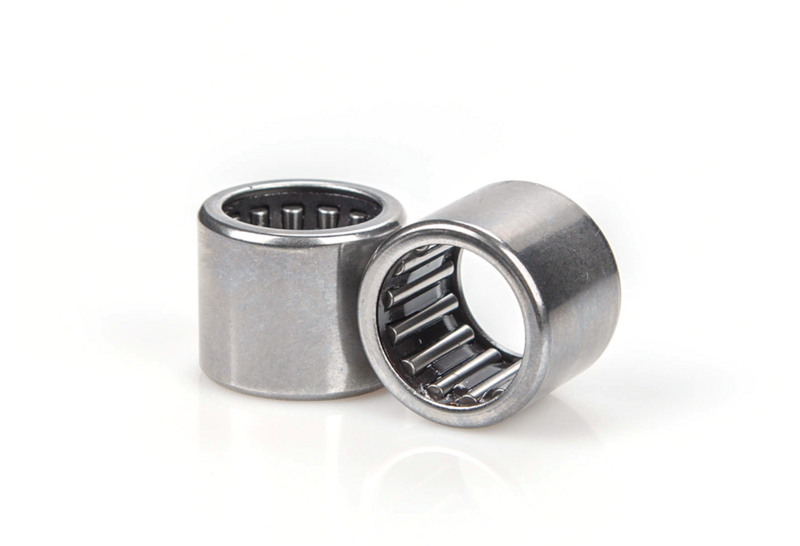
Needle roller bearings feature elongated needle rollers with a relatively small diameter. They are typically used to handle high radial loads while maintaining a small outer diameter, making them highly useful in space-constrained applications such as automotive transmission systems, machine tools, and heavy equipment.
Needle roller bearings are known for their high-precision roller design with a low cross-sectional height. Compared to other bearing types, needle roller bearings have a wider relative thickness, smaller outer diameter and volume, and can handle high loads — making them highly advantageous for machinery miniaturization, weight reduction, and precision engineering. Under the same friction force, the smaller radius of rotation also results in lower rotational torque, further improving mechanical efficiency.
|
Bearing No. |
Bore(Fw)(mm) |
Outer(D)(mm) |
Width(C)(mm) |
Weight(g) |
|---|---|---|---|---|
| TLA 59 | 5 | 9 | 9 | 1.8 |
| TLA 69 | 6 | 10 | 9 | - |
| TLA 79 | 7 | 11 | 9 | 2 |
| TLA 810 | 8 | 12 | 10 | 2.1 |
| TA 810 | 8 | 15 | 10 | - |
| TA 815 | 8 | 15 | 15 | - |
| TA 912 | 9 | 16 | 12 | 1.8 |
| TA 916 | 9 | 16 | 16 | 2.1 |
| TLA 1010 | 10 | 14 | 10 | 2.2 |
| TLAM 1010 | 10 | 14 | 10 | 2.2 |
| TLA 1012 | 10 | 14 | 12 | 2.6 |
| TLAM 1012 | 10 | 14 | 12 | 2.3 |
| TLA 10142RS | 10 | 14 | 14 | 2.5 |
| TLA 1015 | 10 | 14 | 15 | - |
| TA 101610 | 10 | 16 | 10 | 2.3 |
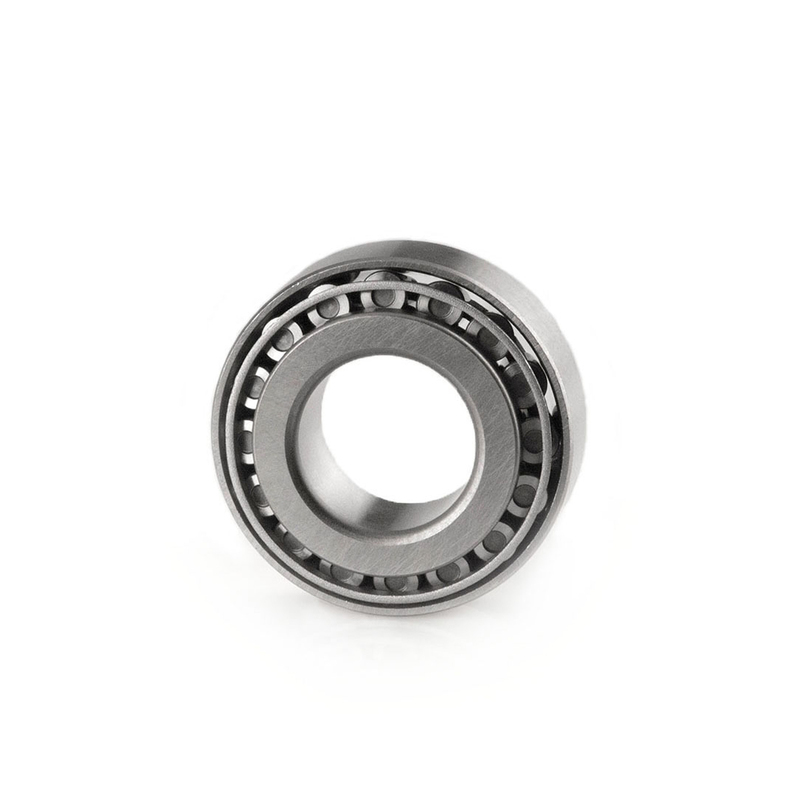
Tapered roller bearings feature tapered rollers with matching raceway angles on both the inner ring and outer ring. They can handle both radial loads and substantial axial loads, and perform well at high speeds and elevated temperatures, making them commonly used in automotive vehicles, heavy machinery, and construction equipment.
Tapered roller bearings have tapered inner ring and outer ring raceways, with tapered rollers carefully manufactured and arranged between the two components. The projected lines of all cone surfaces converge at a single point on the bearing axis. This precision-engineered design ensures seamless operation, making tapered roller bearings particularly suited for combined (radial and axial) loads.
|
Bearing No. |
Bore(d)(mm) |
Outer(D)(mm) |
T(mm) |
Weight(kg) |
|---|---|---|---|---|
| L21549/11 | 15.875 | 34.988 | 10.988 | 0.049 |
| 30203 J | 17 | 40 | 13.25 | 0.079 |
| 30303 J | 17 | 47 | 12 | 0.129 |
| LM11749/LM11710 | 17.462 | 39.878 | 13.843 | 0.084 |
| LM11949/LM11910 | 19.05 | 45.237 | 15.494 | 0.12 |
| 30204 J | 20 | 47 | 15.25 | 0.126 |
| 30304 J | 20 | 52 | 13 | 0.165 |
| M12649/M12610 | 21.43 | 50.005 | 17.526 | 0.172 |
| LM12749/LM12710 | 21.987 | 45.237 | 15.494 | 0.116 |
| LM12749/LM12711 | 21.987 | 45.975 | 15.494 | 0.121 |
| 1779/1729 | 23.812 | 56.896 | 19.368 | 0.236 |
| 32005 XJ | 25 | 47 | 11.5 | 0.11 |
| 30205 J | 25 | 52 | 16.25 | 0.154 |
| 30305 D | 25 | 62 | 13 | 0.262 |
| 30305 J | 25 | 62 | 15 | 0.263 |
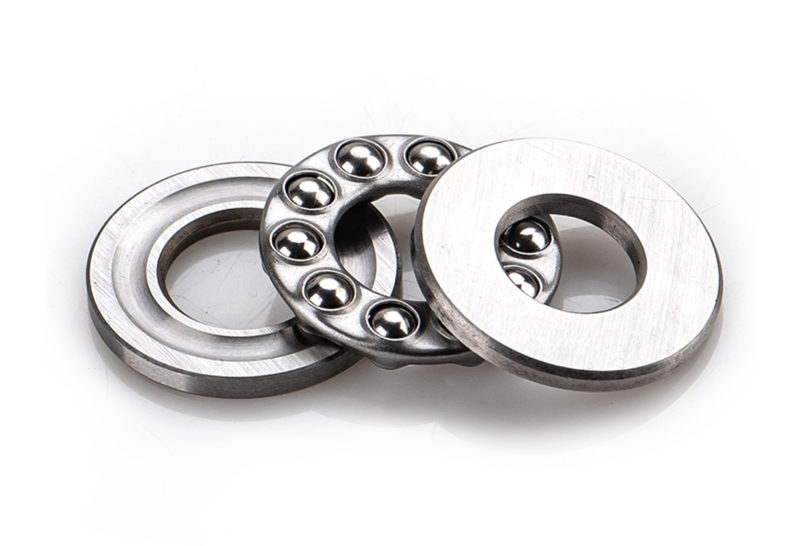
Thrust ball bearings are primarily designed to absorb axial loads on a shaft. They feature spherical rolling elements capable of handling high loads and providing higher rotational speeds, and are commonly found in applications such as fans, compressors, and automatic transmission systems.
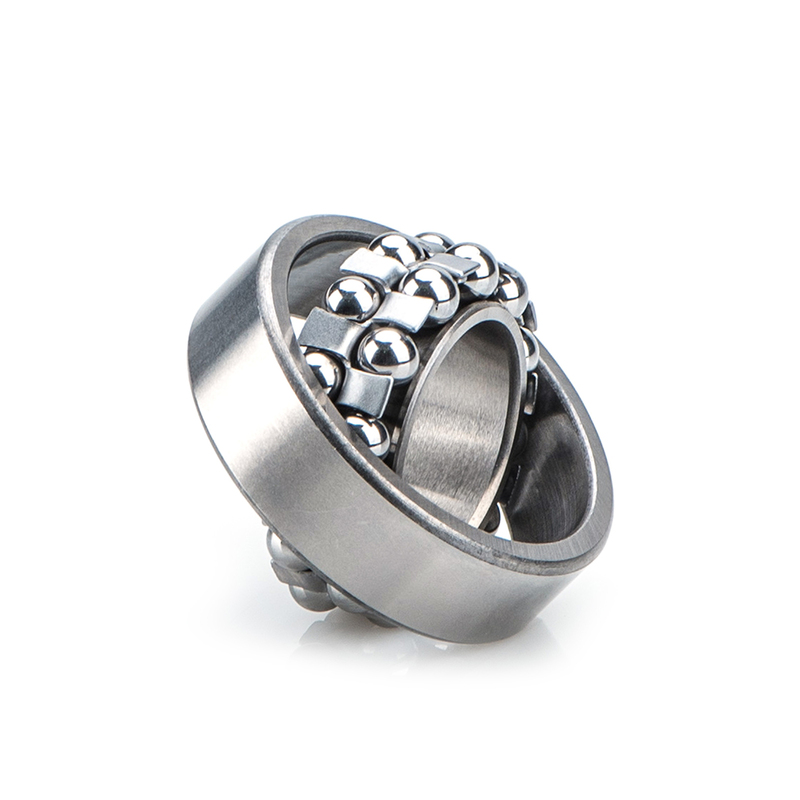
Self-aligning bearings feature a spherical raceway between the inner ring and outer ring that can accommodate a certain degree of angular misalignment and alignment errors. This gives them excellent self-aligning capability in rotating machinery, such as rotary tables, oscillating mechanisms, and robotic joints.
Thrust needle roller bearings (AXK Series) consist of a raceway washer, needle roller and cage assembly. The rolling elements are compact, with extremely small variation between elements in the same set. Thrust needle roller bearings can support axial loads and serve as bearings with good rigidity while occupying minimal axial space.
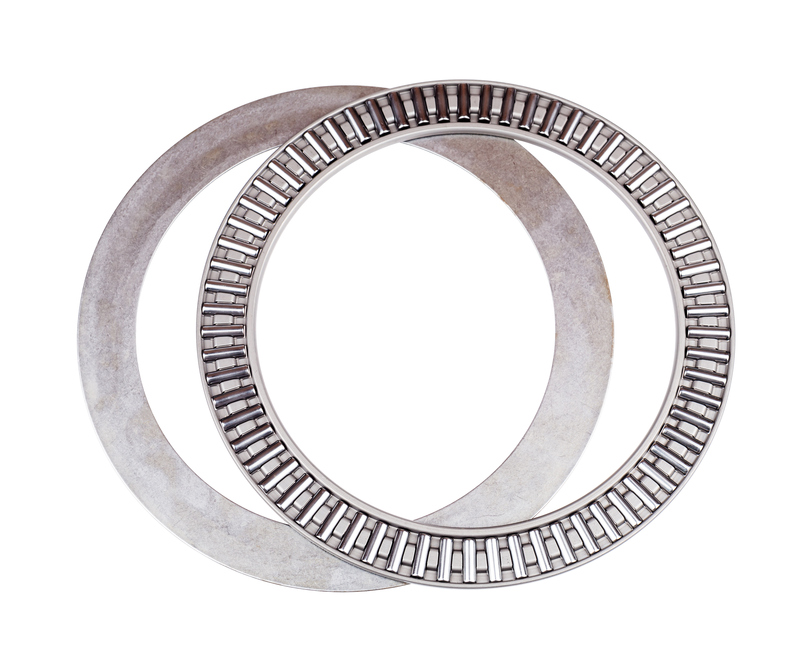
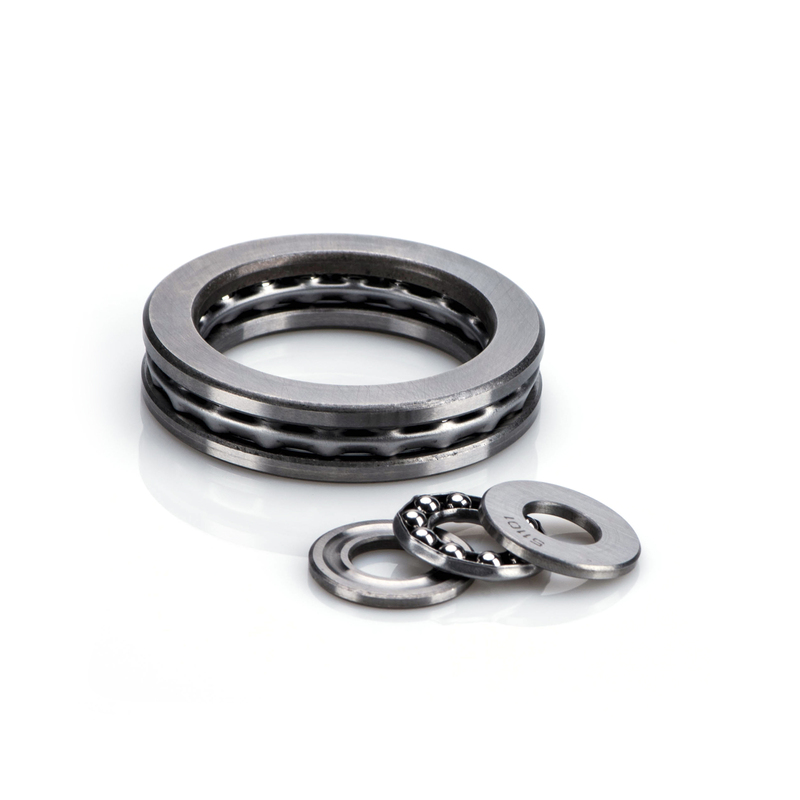
When the mounting surfaces of a thrust needle roller bearing are heat-treated and ground, they can serve directly as raceways — eliminating the need for separate raceway rings and making the bearing more compact and space-efficient. This makes them well-suited for industrial applications requiring large thrust loads, high impact loads, and high-speed operation.
|
Bearing No. |
Bearing No. (Thrust bearings plate) |
Bearing No. (Bearings plate) |
Dc1(mm) |
Dc(mm) |
DW(mm) |
|---|---|---|---|---|---|
| AXK 0515TN | AS 0515 | - | 5 | 15 | 2 |
| AXK 0619TN | AS 0619 | LS 0619 | 6 | 19 | 2 |
| AXK 0821TN | AS 0821 | LS 0821 | 8 | 21 | 2 |
| AXK 1024 | AS 1024 | LS 1024 | 10 | 24 | 2 |
| AXK 1226 | AS 1226 | LS 1226 | 12 | 26 | 2 |
| AXK 1528 | AS 1528 | LS 1528 | 15 | 28 | 2 |
| AXK 1730 | AS 1730 | LS 1730 | 17 | 30 | 2 |
| AXK 2035 | AS 2035 | LS 2035 | 20 | 35 | 2 |
| AXK 2542 | AS 2542 | LS 2542 | 25 | 42 | 2 |
| AXK 3047 | AS 3047 | LS 3047 | 30 | 47 | 2 |
| AXK 3552 | AS 3552 | LS 3552 | 35 | 52 | 2 |
| AXK 4060 | AS 4060 | LS 4060 | 40 | 60 | 3 |
| AXK 4565 | AS 4565 | LS 4565 | 45 | 65 | 3 |
| AXK 5070 | AS 5070 | LS 5070 | 50 | 70 | 3 |
| AXK 5578 | AS 5578 | LS 5578 | 55 | 78 | 3 |
The bearing types listed above represent only a selection. There are many additional bearing types, including angular contact ball bearings, plain bearings, and ceramic bearings. Each bearing type has specific advantages and suitable applications — selecting the appropriate type based on your specific requirements and operating conditions is essential.


Bearings play a critical role in automotive engines, transmission systems, suspension systems, and wheel hubs. They handle high-speed rotation and load while reducing friction between mechanical components, improving vehicle performance and reliability.
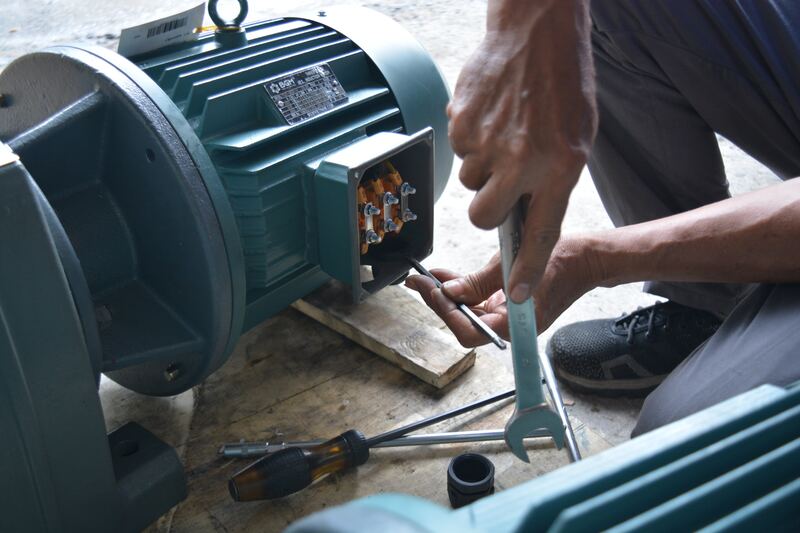
Bearings are widely used in various industrial equipment, including machine tools, wind turbines, pumps, speed reducers, conveyor systems, and compressors. They support rotating shafts and enable equipment to operate smoothly while reducing friction losses and improving production efficiency.

A bicycle typically requires bearings in 7 locations for the entire bike to operate smoothly. Common bearing positions include the bottom bracket (BB), wheel hub, pedals, headset, and jockey wheel, each of which calls for a suitable bearing type.
A bicycle's performance is largely determined by the quality of its bearings.

Bearings play a vital role in the performance of electric motorcycles, particularly in challenging environments with rough terrain, sand, dust, and other contaminants. Because electric motorcycles experience high-speed rotational impact, these bearings must offer exceptional durability and be capable of handling a wide variety of terrains.
For electric motorcycle bearings, durability and resilience are the key factors riders demand.

Bearings play an important role in household appliances such as electric fans, washing machines, refrigerators, and air conditioners. They allow motor components to run smoothly, reducing noise and energy loss while extending the product's service life.
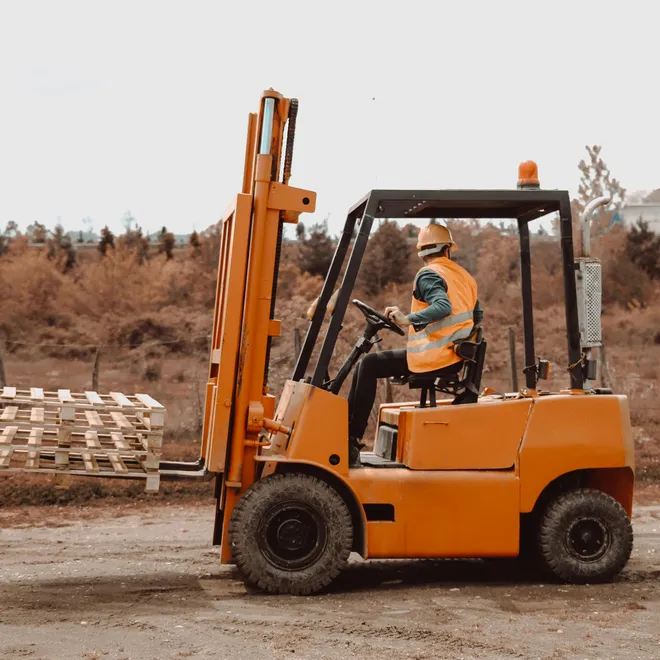
Forklift bearings are among the most critical components in a forklift, responsible for supporting the vehicle's moving parts and ensuring smooth operation. Used across various industrial environments, they operate under heavy loads and high-pressure conditions.
The performance of forklift bearings directly affects the efficiency and service life of the forklift.

Bearings are also widely used in medical equipment, such as medical imaging equipment, surgical robots, and prosthetic joints. In these applications, bearings must provide highly precise motion control and smooth operation to ensure accuracy and safety.
In summary, bearings are the "industrial heart" of many industries. They not only support and reduce friction in the operation of machines and hardware, but also improve the performance and stability of mechanical equipment.

If a bearing develops abnormal noise or visible damage, it is recommended to replace it as soon as possible. Leaving it unaddressed risks unplanned equipment downtime. For overall operational safety, prompt replacement is advised whenever a bearing shows signs of failure.
Bearing lubrication must be replenished or replaced on a schedule based on equipment operating conditions. Different operating environments — including temperature, rotational speed, load, and sealing type — will affect the maintenance interval for grease or lubricating oil. The general practice is to perform checks according to equipment usage frequency, operating temperature, or manufacturer recommendations to ensure lubrication remains in proper condition, which helps maintain operational stability and reduce the risk of abnormal noise or wear.
Please provide your question. We’ll find you with the best support options.