
Need Support?
Please provide your question. We’ll find you with the best support options.

A bearing looks like a small part inside a machine, but whether it fits rarely comes down to "did we pick the right model?" More often, it comes down to whether the application conditions were thought through first. Many of the running problems and reworks that surface later were actually set in motion before the requirement was ever clarified.
This guide won't rush to hand you a part number. What it gives you is a checklist you can walk through on your own first. Over the years, ISK Bearings has helped customers clarify requirements before selection — and these are the questions we've found deliver the biggest return the earlier they're answered.
You don't need every answer before reaching out. But how far you've walked through this list will shape how quickly and accurately we can help you decide.
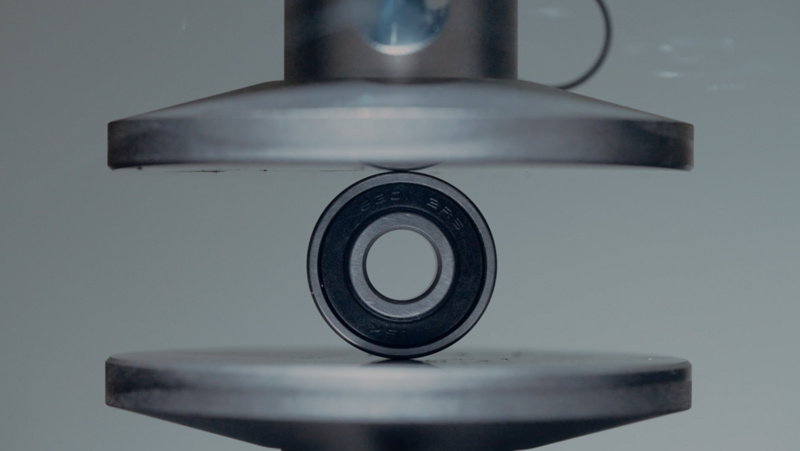
Before the model, talk about the working conditions.
How much load does this bearing carry (radial, axial)? Roughly what speed? Is it running continuously, or starting and stopping intermittently? These three points largely set the direction of the selection.
If you lock in a model before the operating conditions are clear, you may end up carrying a "we've always used this one" choice — along with the problems already built into it — straight into a brand-new design. This is often the first turning point we see when helping customers.
Ask yourself:
 Further reading: Axial Bearings vs Radial Bearings: Key Differences, Applications, and Selection Guide
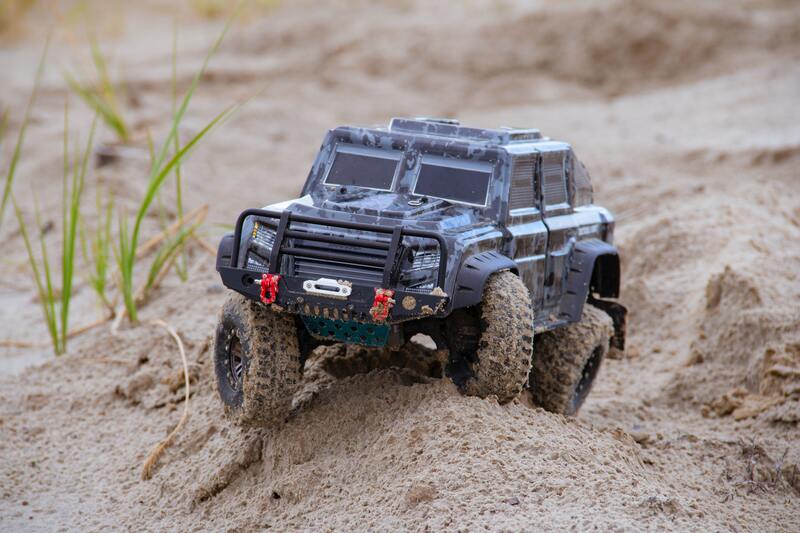
The same size, placed in a clean indoor space, a humid outdoor setting, a food-contact line, or right next to a high-temperature mechanism, can call for very different materials and surface treatments.
Will it face corrosion, moisture, dust, or cleaning agents? Does it need stainless steel or special protection? These conditions feed directly into material choice — and the wrong material tends to be the kind of problem that only shows up after a period of use, not at the moment of installation.
Ask yourself:
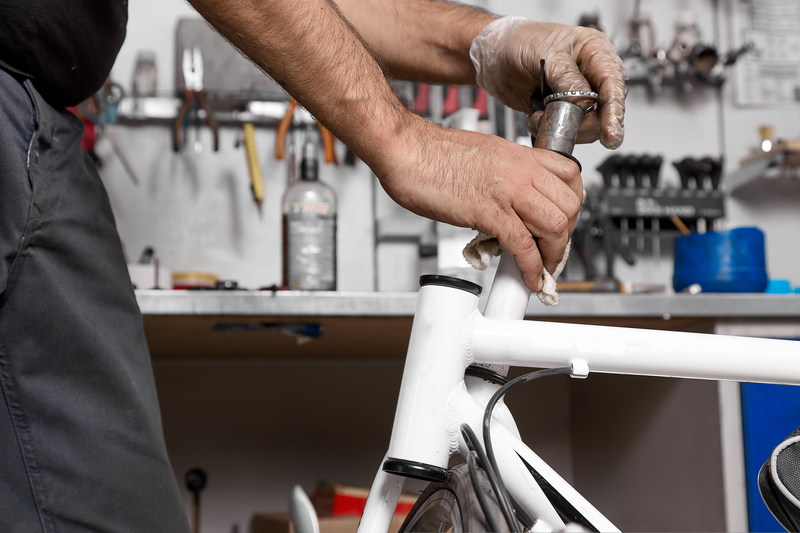
A bearing doesn't exist on its own; it works as a set with the shaft, the housing, and the surrounding mechanism.
Press fit or slip fit? How do the tolerances pair up? What's the installation force and method? These details are often left until last, yet they're a very common root of running problems. We've handled plenty of cases where a customer reported an apparent bearing issue, and after digging in, we traced the root back to the press-fit condition or the fit itself — not the bearing.
Ask yourself:
Further reading: How to Install a Bearing ? Bearing Installation Methods
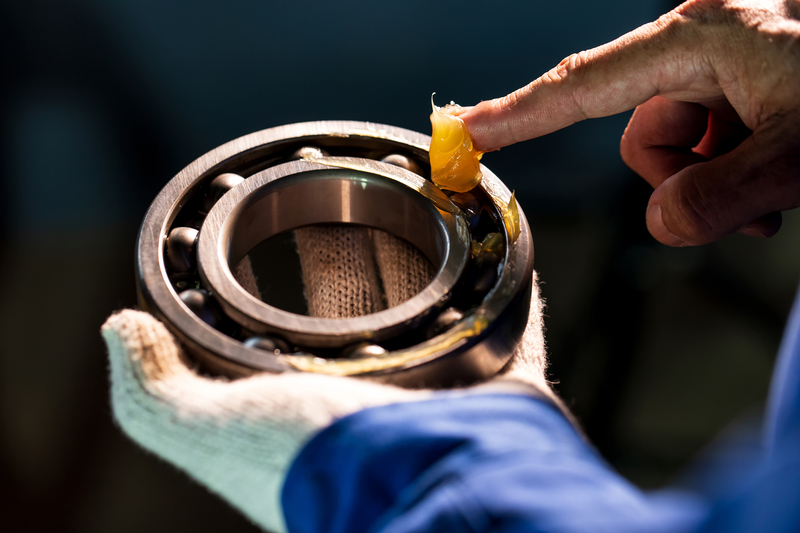
Grease or lubrication method can look like a minor detail, but whether that choice matches the temperature and speed of the duty directly affects real-world performance.
This question often gets skipped, yet it's one we regularly circle back to when helping customers find a root cause. Get the lubrication right, and a lot of "something feels off but I can't say what" situations suddenly have an explanation.
Ask yourself:
Further reading: What Factors Should be Considered When Choosing a Bearing Lubricant?
The final step isn't a technical question — it's a project question.
What's your estimated annual usage? What's the delivery rhythm? Beyond the bearing body itself, does it also need overmolding, secondary machining, or surface treatment?
If it does, having one party coordinate in-house bearing production together with processing partners can remove a whole chain of back-and-forth. Otherwise, when the work is split across different suppliers, the cross-plant shipping, the waiting between each supplier's own scheduling, the spec confirmations across multiple contacts, and — when a finished part has an issue — the effort of sorting out whether it's the bearing side or the processing side, all tend to land on procurement.
Ask yourself:
You don't need to have every question fully answered before reaching out. But how far you've walked through this list will shape how quickly and accurately we can help you decide.
If you can already share the application background, operating conditions, model or specification, drawings or samples, and estimated quantities, we'd welcome the conversation — we'll help you assess the selection at hand, and the most sensible way forward from there.
Share your application and requirements for a selection assessment →
Not necessarily — and it's not recommended to lock the model first. Clarify load, speed, duty cycle, environment, and installation conditions first; those give the model a basis. Fixing the model too early often carries an old choice's existing problems into a new design.
Have ready: the application, load and speed conditions, operating environment, shaft/housing fit and installation method, lubrication needs, and estimated annual volume. If you already have a model, drawing, or sample, share those too — it makes the assessment faster and more accurate.
Not always. Running problems can also stem from the press-fit condition, fit tolerances, lubrication choice, or the operating environment. Finding the true root cause helps avoid an unnecessary change of part — which is exactly why clarifying conditions before selection matters.
If the bearing also needs overmolding, secondary machining, or surface treatment, having one party coordinate in-house bearing production with processing partners removes cross-plant coordination, repeated shipping, and multi-contact confirmations — and gives a single point of accountability if a finished part has an issue.
Yes. If the lubrication method doesn't match the operating temperature and speed of the duty, it directly affects real-world performance. Many "something feels off but I can't say what" situations have an explanation once the lubrication choice is reviewed.
Please provide your question. We’ll find you with the best support options.