
Need Support?
Please provide your question. We’ll find you with the best support options.

Table of contents
What non-bearing root causes cause drivetrain faults?
Why shouldn't you just replace the bearing when you hear noise or feel heat?
How do you tell whether the source is press fit, environment, or grease?
When do you actually need a replacement type or a custom design?
Noise, heat, or drag in a drivetrain is not always a failed bearing. Common root causes include an overly tight press fit, a contaminated operating environment, the wrong grease or incorrect re-lubrication, and structural misalignment. Swapping the bearing without diagnosis often lets the same problem return.
Drivetrain faults often trace back not to the bearing itself but to the operating conditions around it. In practice, the technical sales team at ISK Bearings most often sees these four non-bearing root causes:
Inspecting a removed bearing in isolation often reveals nothing — because the problem is not in the bearing, but in how it was mounted, lubricated, and run.
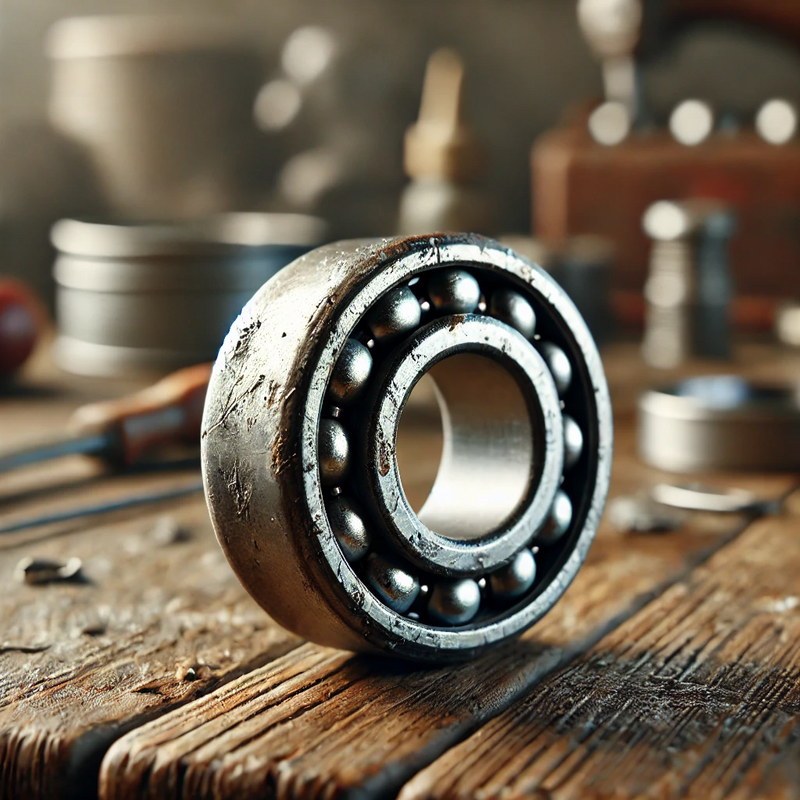
Replacing the bearing only addresses the symptom, not the cause. If the root cause is an overly tight fit, environmental contamination, or the wrong grease, the same operating conditions will push a new bearing down the identical failure path, and the noise and heat typically return after a period of running.
For quality and maintenance teams, the largest cost is not replacing a bearing once — it is "the same problem recurring without a known root cause." Every reorder carries downtime, teardown labor, and stocking cost; if the root cause is unresolved, those costs repeat on a cycle. That is why, before reordering, clarifying the failure mode — raceway spalling, cage wear, or lubrication failure — matters more than rushing to place a new order.
 Further reading: Why is my bearing suddenly making noise?
You can reason backward from the failure mode and the operating conditions. Below are common diagnostic clues:
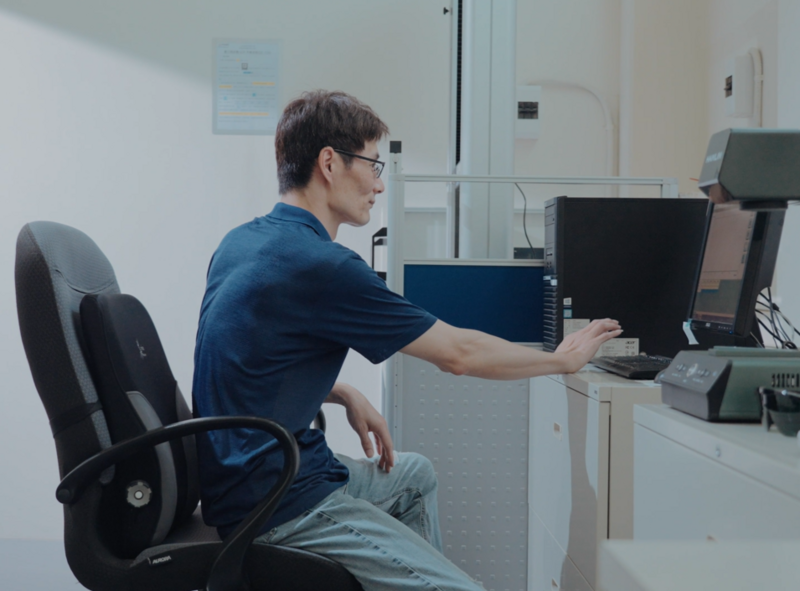
In practice, the ISK team returns to the customer's actual application — load conditions, speed, mounting method, ambient temperature and humidity, and the lubrication plan are reviewed together, rather than judging from a single removed bearing.
Identifying the right problem is what makes the right solution possible, and this diagnostic step can help a customer avoid an unnecessary reorder cost.
Further reading: What Factors Should be Considered When Choosing a Bearing Lubricant?

A different type or a custom design is the right direction when the root cause is confirmed to be a mismatch between the bearing's own specification and the duty.
For example: the original clearance, precision class, or seal type cannot meet the actual load and environment; or a standard part behaves as a long-term wear item in that duty, so replacing it with the same specification will not improve the outcome.
In these cases, adjusting the material, surface treatment, seal, or clearance configuration may address the root cause better than repeatedly replacing the same specification.
ISK has specification-verification and custom-development capability and can confirm a suitable direction based on the actual application, drawings, or samples — but the precondition remains confirming the root cause first, not simply swapping parts.

ISK Bearings provides more than parts supply — it provides root-cause judgment support before a reorder.
When equipment shows noise, heat, rust, or shorter-than-expected life, the team evaluates, based on the application, load, mounting, and lubrication conditions, whether the issue likely comes from press fit, environment, grease, or structural fit, and then judges whether a different type or a custom design is warranted.
The goal of this diagnostic approach is to avoid the cycle of "new bearing installed, old problem still there," and to direct maintenance resources toward the real root cause.
No. Noise often comes from an overly tight press fit, mounting skew, or the wrong grease. Clarify the failure mode and operating conditions first before judging whether the bearing itself is the issue.
It usually means the root cause was not resolved. If the fit, environmental contamination, or lubrication conditions are unchanged, the new bearing follows the same failure path, so return to the operating conditions for root-cause analysis.
It can be either. Over-greasing or a grease that cannot withstand the temperature causes heat; an over-tight fit that reduces clearance also causes heat. Judge it together with the temperature-rise behavior and teardown marks.
When the original specification behaves as a long-term wear item under the actual load and environment, or when clearance, precision, or seal type is mismatched, adjusting the material or seal design may address the problem better than repeatedly replacing the same specification.
Provide the application, the current symptom (noise / heat / rust / drag), the mounting and lubrication conditions, and the existing bearing model or a sample, so the root cause can be assessed.
Please provide your question. We’ll find you with the best support options.