
Need Support?
Please provide your question. We’ll find you with the best support options.

Table of Contents
1. What Exactly Is the Difference Between 304, 316, 420 and 440C?
2. Why Are 304 and 316 Usually Not Used for Balls and Raceways?
3. When Should You Choose 316, and When 440C?
4. How Do You Choose Between 440C and 420, and What's the Difference?
5. How Do You Choose Stainless Steel Bearings for Humid, Food-Grade or Chemical Environments?
%201688.jpg)
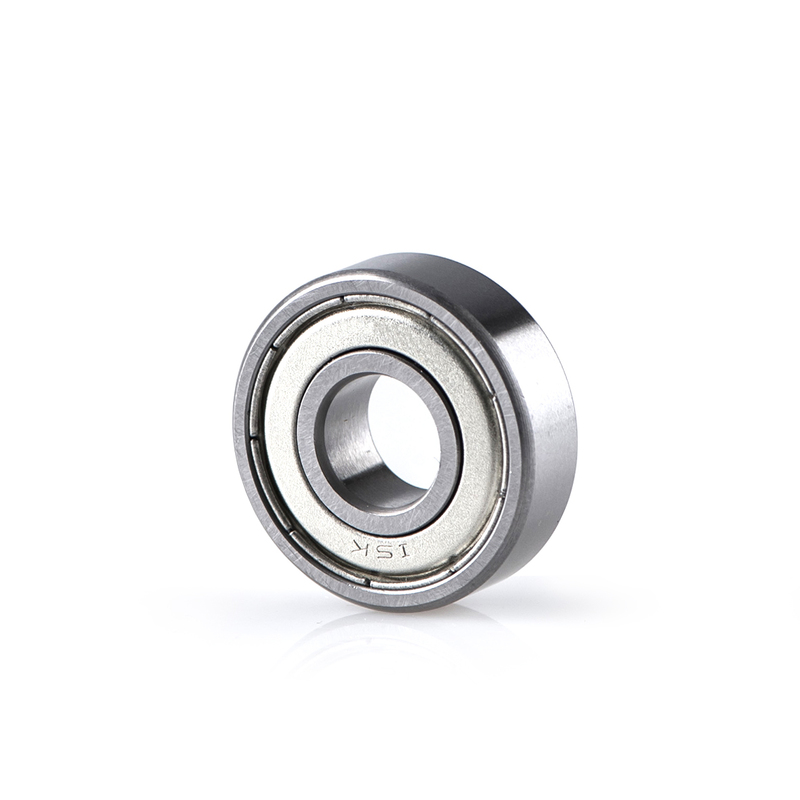
Among the four common stainless steel bearing materials, 440C and 420 are martensitic stainless steels that can be hardened by heat treatment, making them suitable for load-bearing rolling elements and raceways. In contrast, 304 and 316 are austenitic stainless steels that cannot be hardened by quenching or other heat treatment—though they can work-harden through cold working.
They offer better corrosion resistance but are softer, so they are typically used for non-load-bearing parts such as shields and cages. The core of material selection is the trade-off between corrosion resistance and hardness / load capacity.
Beyond breaking down the differences between these four materials, this article covers something more practical: how to describe your requirements when inquiring about stainless steel bearings, so you get advice that actually fits—because two requests that both say "I need stainless steel" can lead to completely opposite answers depending on the operating conditions.
The key differences among stainless steel bearing materials come down to two dimensions: whether the material can be hardened by heat treatment, and how strong its corrosion resistance is. 304 and 316 are austenitic stainless steels and cannot be significantly hardened through quenching or other heat treatment. 420 and 440C are martensitic stainless steels that can be hardened by heat treatment to increase hardness and wear resistance, which is why they are more commonly used for bearing components that must withstand rolling contact—though their corrosion resistance is slightly lower than the first two.
A simple way to remember it: for corrosion resistance, look at 304 / 316; for hardness and load capacity, look at 420 / 440C.
The table below compares the properties and typical bearing applications of the four stainless steel materials—304, 316, 420 and 440C:
| Material | Metallurgical Type | Hardenable by Heat Treatment | Corrosion Resistance (Relative) | Hardness Tendency | Typical Bearing Application |
|---|---|---|---|---|---|
| 304 | Austenitic | No | Good | Softer | Non-load-bearing parts such as shields, cages and housings |
| 316 | Austenitic (with molybdenum) | No | Excellent | Softer | Non-load-bearing or light-load parts in highly corrosive environments (marine, chemical, food) |
| 420 | Martensitic | Yes | Moderate | Medium-high | Raceways and balls with moderate corrosion resistance requirements |
| 440C | Martensitic (high carbon) | Yes | Moderate-to-high | High | Rolling elements and inner/outer rings that need both corrosion resistance and load capacity—the most common choice for stainless steel bearings |
In short: 440C is the mainstream choice when you need both corrosion resistance and load capacity; 316 is the answer when corrosion resistance is the priority and loads are low; 304 usually appears in parts that don't carry load directly; and 420 suits applications that balance hardness, wear resistance and general corrosion resistance.
 Further reading: Ceramic Bearings vs Steel Bearings: Performance and Differences
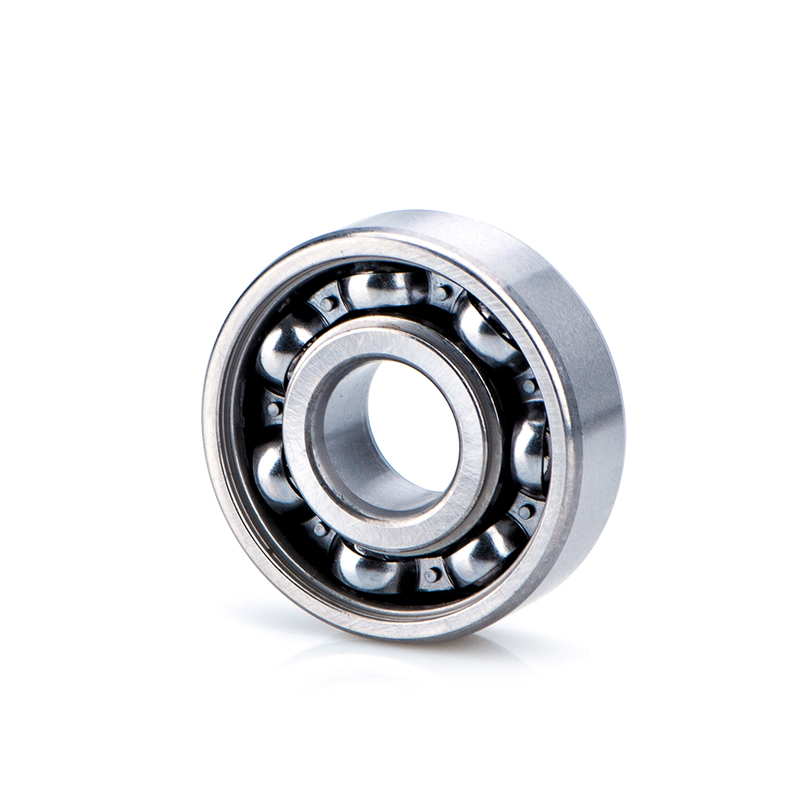
304 and 316 are austenitic stainless steels that cannot be hardened by heat-treatment quenching, so their hardness is not enough to withstand the high stresses of rolling contact over the long term—they are prone to indentation, wear and early flaking. That is why, in most load-bearing bearings, the balls and raceways are not made from 304 / 316, but from hardenable 440C or 420.
This is often where the misunderstanding starts. Many customers instinctively think, "316 has the best corrosion resistance, so making the whole bearing from 316 must be the safest bet." In reality, the inner and outer rings and the balls of a rolling bearing need enough hardness to resist contact fatigue—material that is too soft actually has a very short life under load.
This is why you'll often see a common combination: rolling components in 440C (for hardness), shields or cages in 304 / 316 (for corrosion resistance). This is not a compromise—it's about putting each component where it belongs. Only when your application really sits in a highly corrosive environment with almost no load (for example, certain light-load guide rollers or conveying uses) does an all-316 construction become worth discussing—and that is exactly the situation where the operating conditions need to be spelled out.
.jpg)
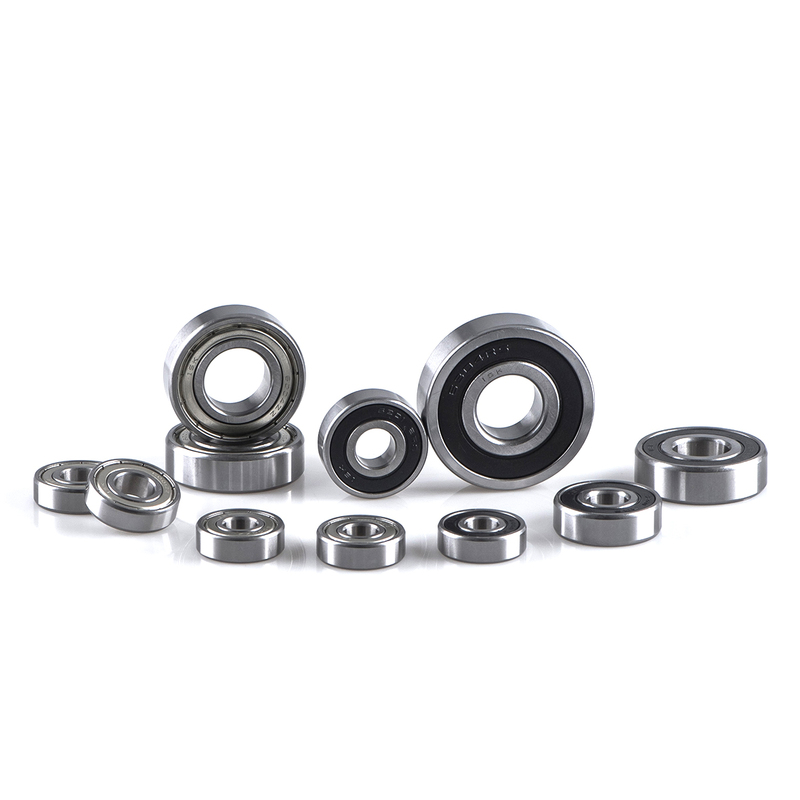
Whether to choose 316 or 440C depends on which is the primary threat: corrosion severity or load level. For example, in acidic/alkaline environments or where frequent washdown and sterilization are required, with low loads, lean toward 316; where the bearing must carry clear radial/axial loads and corrosion is moderate, lean toward 440C.
When making the call, ask yourself three things:
In practice, many applications fall into a gray zone of "moderate corrosion + moderate load," where there is no standard answer and evaluation against the actual operating conditions is required. When ISK Bearings' technical sales team receives this kind of inquiry, they go back and confirm the media, load, speed and washdown frequency, then determine the right combination of material and protection—rather than simply assigning a model number.
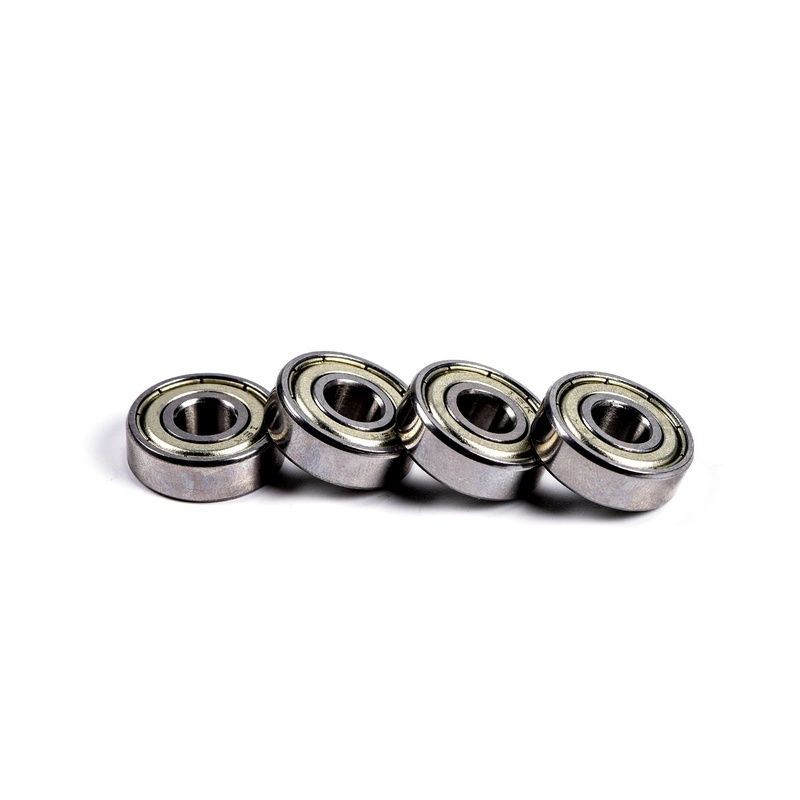
Both 440C and 420 are martensitic stainless steels that can be hardened by heat treatment; the main difference lies in carbon content and achievable hardness. 440C has a higher carbon content and can be quenched to a higher hardness, giving better wear and fatigue performance and slightly better corrosion resistance. 420 has slightly lower hardness and a cost advantage, making it suitable for applications where neither load nor corrosion requirements are extreme.
A practical dividing line: when a bearing must carry load, resist wear and resist corrosion all at once, 440C is the safe choice; when corrosion resistance is only about "preventing general rust from moisture" and loads are low, 420 is also a common and suitable material choice. The exact hardness ranges and heat treatment conditions for both need to be confirmed against the actual specification and process—this step directly affects service life, so it's best evaluated together during the selection stage.
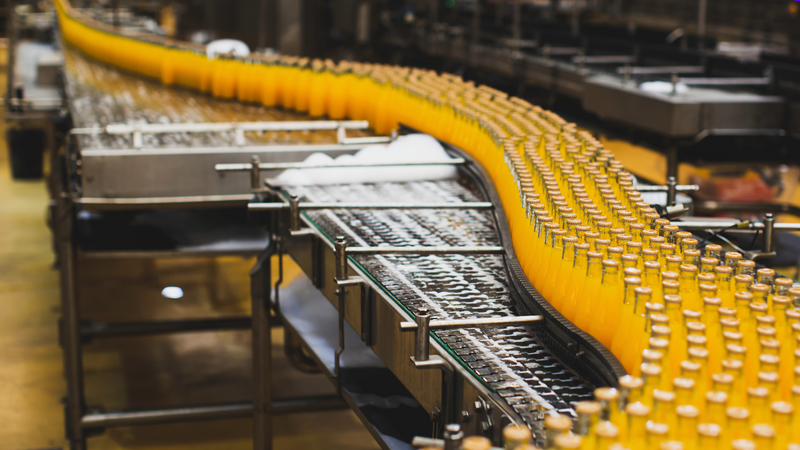
Different corrosive environments call for different material strategies. In generally humid environments or where the bearing occasionally contacts water, 440C is usually sufficient. In food, pharmaceutical, and frequent high-temperature washdown/sterilization environments, you need to consider the corrosiveness of detergents and disinfectants, and evaluate food-grade grease and seals. In marine, salt-spray and similar environments, you often need the pitting resistance of a 316-grade material or additional surface treatment.
This is also why a "food-grade bearing" can't be summed up with "just use stainless steel"—even within the same food plant, the answer for a dry zone differs from that for a CIP washdown zone.
The most effective way to get stainless steel bearing advice that actually fits is not to specify the material first, but to give ISK the operating conditions first. Because the material is the result, not the starting point—two requests that both say "stainless steel" can lead to completely different answers for a conveyor by the sea versus a motor in a dry room.
When you're inquiring about or evaluating stainless steel bearings, providing the following information greatly improves the accuracy of the recommendation:
If you're evaluating stainless steel bearing material for a specific operating condition, or you already have a model, specification, drawing or sample to compare against, share the application background and requirements above, and ISK will help you determine the next step on material and structure.
Contact us for stainless steel bearing selection and quotation assessment →
304 and 316 are austenitic and cannot be hardened by heat treatment, so their hardness is low. They are not suitable as the balls and raceways of high-load bearings and are mostly used for non-load-bearing parts such as shields and cages; load-bearing parts are usually switched to hardenable 440C or 420.
Stainless steel is "corrosion-resistant," not "corrosion-proof." For example, in strong acid/alkali or long-term standing-water environments, 440C / 420 can still corrode; such environments require evaluating 316-grade material or combining it with seals, grease and surface treatment.
There is no absolute better or worse—it depends on the operating conditions. 440C has higher carbon content, higher achievable hardness and better wear resistance, suiting applications that need both load capacity and corrosion resistance; 420 has a cost advantage and suits applications where neither load nor corrosion requirements are extreme.
It depends on the actual environment, such as a dry zone versus a CIP washdown zone. Beyond the material (commonly 440C or 316-related solutions), you also need to evaluate food-grade grease and cleaning-resistant seals, which are often as important as the material for food equipment.
The minimum baseline is three items: contact media, load level and temperature range; if you can also provide the application, current model or a sample, it greatly improves the accuracy of the material and structure recommendation.
Please provide your question. We’ll find you with the best support options.