

Need Support?
Please provide your question. We’ll find you with the best support options.

ISK Bearings | B2B Bearing Wholesale
Table of Contents
The shaft bearing is a mechanical component primarily used to support a rotating shaft, allowing it to spin freely. These bearings are designed to reduce friction, thereby improving operational efficiency and extending the lifespan of equipment.
When it comes to installing bearings on a shaft, certain precautions should be followed to ensure a proper installation:
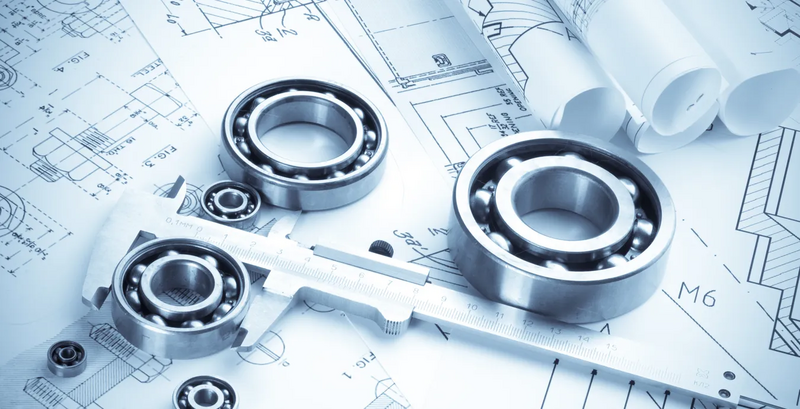
Before installation, confirm that the bearing size matches the requirements for the bearing body and shaft. Check if the machined shaft and bearing body have right-angled contact surfaces and can make sufficient contact.
 Learn more: Bearing Specification Query Guide: How to Find the Appropriate Bearing Specifications for Your Needs
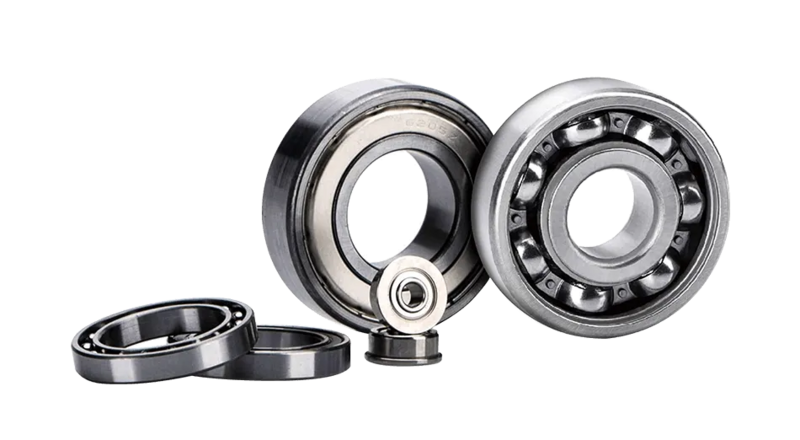
Inspect the bearing's fine body for any abrasions, dust, or mold sand on its matching oil surface. Use grinding stones or cleaning cloths if necessary.
During installation onto the bearing body, ensure the outer ring of the bearing is properly forced. Avoid installing or knocking the bearing on its outer ring, as it can cause track faults, noise, and affect the bearing's capacity to withstand external forces.
Learn more: Why is my bearing suddenly making noise?
Bearing mounting methods depend on the bearing type and type of fit. As bearings are usually used on rotating shafts, the inner rings require a tight fit. Bearings with cylindrical bores are usually mounted by pressing them on the shafts (press fit) or heating them to expand their diameter (shrink fit).
Bearings are usually mounted in housings with a loose fit. However, in cases where the outer ring has an interference fit, a press may be used. Bearings can be interference-fitted by cooling them before mounting using dry ice. In this case, a rust preventive treatment must be applied to the bearing because moisture in the air condenses on its surface.
The most common method is using a hammer and sleeve. Make sure the sleeve is centered and tap it lightly with a hammer.
Learn more: How to Install a Bearing ? Bearing Installation Methods
When installing both the inner and outer rings simultaneously, use a backing plate and apply force to both rings simultaneously. Applying force only to the inner ring can cause scratching on the raceway surface due to the balls pressing into the outer ring.
Complete the assembly of rolling bearings following the correct and safe steps.

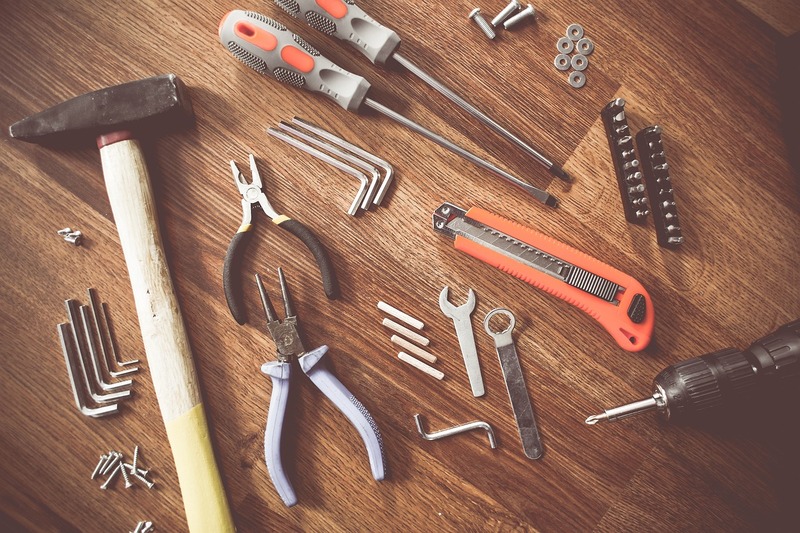
Utilize specialized tools designed for bearing installation and disassembly to prevent damage during the process. Avoid using improper tools like copper rods, which can cause deformation, damage to rolling elements, and bearing failure.

Inspect old bearings for burrs, scratches, and cracks on the ball or column surfaces. For new bearings, ensure the correct bearing type and check radial clearance against industry standards.
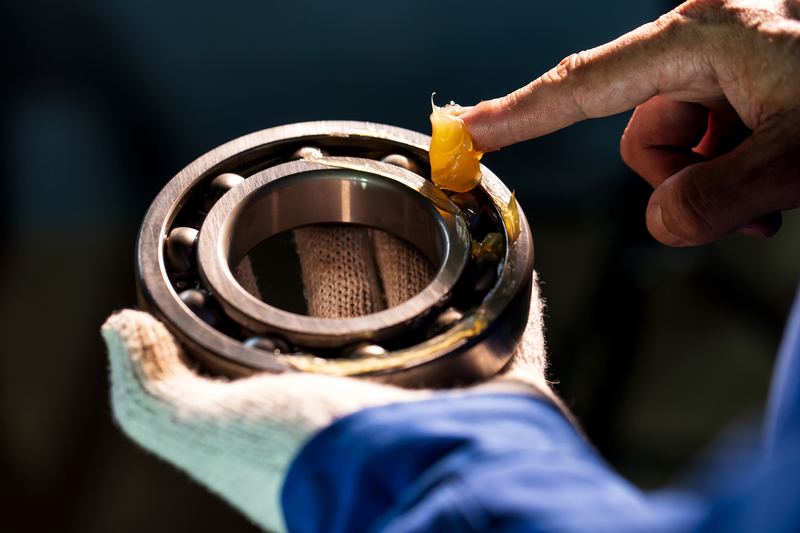
Avoid overfilling the bearing and bearing chamber with oil, as it can lead to slipping of the rolling elements and poor lubrication conditions. Follow guidelines based on motor speed to determine the appropriate oil volume for the bearing chamber.
By following these precautions and steps, you can ensure a proper and reliable installation of bearings on a shaft.
Before installation, confirm that the bearing dimensions match the requirements of both the housing and the shaft, and check that the machined shaft and housing have perpendicular contact surfaces with sufficient fit. Mismatched dimensions or non-perpendicular surfaces can cause eccentricity and stress concentration during press fitting. If you have only the model number but are unsure whether the fit suits your actual operating conditions, share the shaft diameter, housing dimensions, and application—ISK can help evaluate the fitting approach.
A cylindrical-bore bearing is generally mounted onto the shaft by press fit, or by heating it to expand the inner diameter before assembly (shrink fit). The choice depends on the bearing type and fit form: inner rings typically require an interference fit, and for larger bearings or higher interference, heat mounting reduces the risk of raceway damage during pressing. If the outer ring requires an interference fit, in some cases the bearing is first cooled with dry ice to reduce its size before mounting—rust prevention treatment is needed first in that case.
Applying force or striking directly on the outer ring during installation can damage the raceway, generate noise, and impair the bearing's ability to withstand external loads. When mounting into the housing, the outer ring must be loaded correctly. The most common method uses a sleeve and a hammer—keep the sleeve centered and tap gently to avoid eccentricity or damage. When mounting the inner and outer rings simultaneously, use a backing plate to apply even pressure to both rings.
Noise after installation does not necessarily mean the bearing is faulty. Common sources include raceway damage from improper loading of the outer ring, eccentric installation, poor press-fitting conditions, or inadequate lubrication. If force is applied only to the inner ring during installation, the balls may press against the outer ring and scratch the raceway, causing noise in operation. Identifying the root cause requires reviewing the fitting method, fit conditions, and lubrication together—share your actual operating conditions for further evaluation.
The amount of lubricant in the bearing cavity should not be excessive; too much can cause the rolling elements to slip and result in poor lubrication conditions. Determine the appropriate amount for the bearing cavity based on guidelines such as motor speed—more is not better. Lubrication quantity relates to speed, load, and operating temperature; if you're unsure of the right amount, share the speed and application conditions for evaluation.
Bearing installation and removal should use purpose-designed tools; improper tools such as a copper bar are not recommended, as they can cause deformation, damage to the rolling elements, or even bearing failure. When using a sleeve, keep it centered and tap gently to avoid eccentricity. Tool choice may seem minor, but it is one of the key factors affecting installation yield and bearing service life.
Before installing a new bearing, confirm the model number is correct and check that the radial clearance meets industry standards; also inspect the fitting surfaces for scratches, dust, or sand-mold residue, cleaning with an oil stone or cloth if necessary. If installing a used bearing, check the ball or roller surfaces for burrs, scratches, or cracks. Pre-installation checks catch non-conforming parts early, avoiding problems discovered only after full assembly.
When requesting a quote from ISK, we suggest providing the bearing model or dimensions (shaft diameter, housing size), the application, load and speed conditions, and any existing drawings or samples. The more complete the information, the better we can assess the fitting approach and whether customization is needed. If you currently have only an application issue and no finalized specification, you can also describe the equipment's purpose and the situation you're facing, and ISK can help evaluate the next step.
Please provide your question. We’ll find you with the best support options.