

 Angular Contact Ball Bearings
Need Support?
Please provide your question. We’ll find you with the best support options.

ISK Bearings | B2B Bearing Wholesale
Table of Contents: Bearing Types
1. What is Bearing Number Meaning ?
2. Bearing Number Meaning of Deep Groove Ball Bearings
3. Bearing Number Meaning of Angular Contact Ball Bearings
4. Bearing Number Meaning of Spherical Ball Bearings (Self-aligning Ball Bearing)
5. Bearing Number Meaning of Spherical Roller Bearing
6. Bearing Number Meaning of Cylindrical Roller Bearing
A bearing number is an alphanumeric code that reveals a bearing’s type, size, seal style and other key specs; choosing the right code for your operating environment maximizes performance and service life.
Need help choosing?  Reach out to our team for personalized one-on-one support.
|
|
|
|
|
|
|
|
|
|
|
|
|
|
|
|
|
|
|
|
|
|
|
|
|
|
|
|
|
|
|
|
|
|
|
|
|
|
|
|
|
|
|
|
|
|
|
|


|
|
|
|
|
|
|
|
|
|
|
|
|
|
|
|
|
|
|
|
|
|
|
|
|
|
|
|
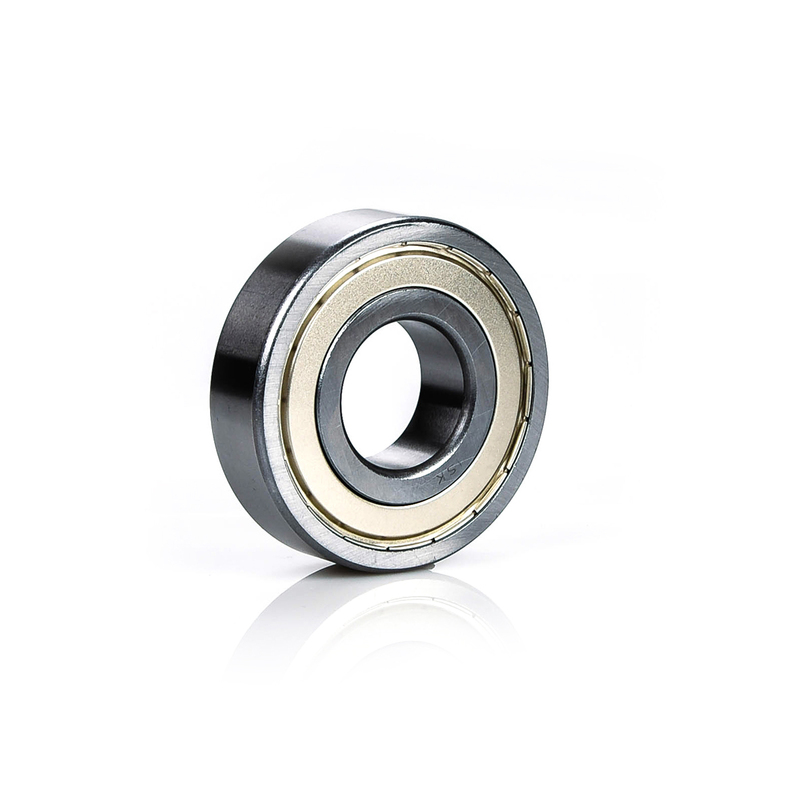
What do these numbers mean with regard to bearings, e.g. 6202, 6203 and so on?
A. Small tips about Miniature ball bearing
EX. 682 2*5*1.5mm
JIS (From China) JIS (From China) NMB (From Japan)
682 = MR52 = L-520
B. To see further detail please refer to catalogue:

Further reading:
Miniature Bearings: Small Components, Great Effect
Dive into the Significance of Ball Bearing Sizes
.jpg)
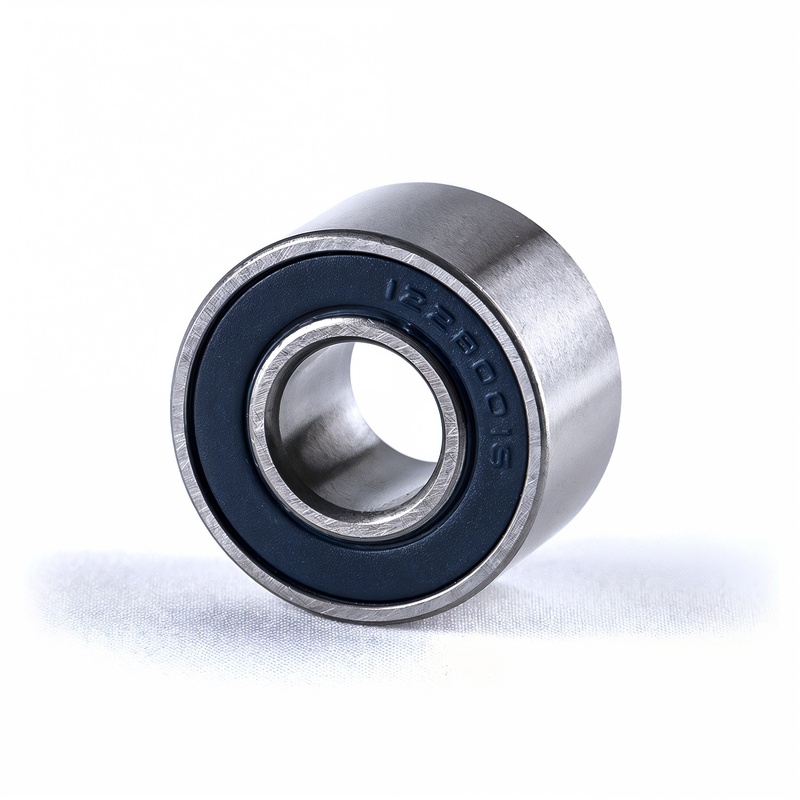
Taking 7006 C as an example.
7000、7200、7300、5200、5300
To see further detail please refer to catalogue:

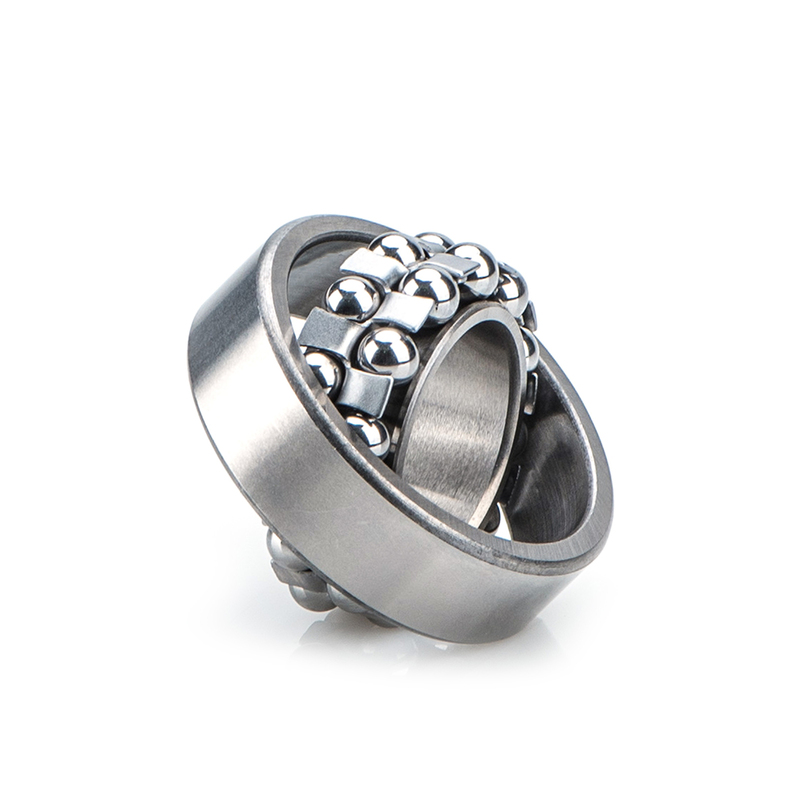
Taking 1308 K as an example.
1200, 1300, 2200, 2300, 11200, 11300
Blank --- Round bore
K --- Conical bore
To see further detail please refer to catalogue:
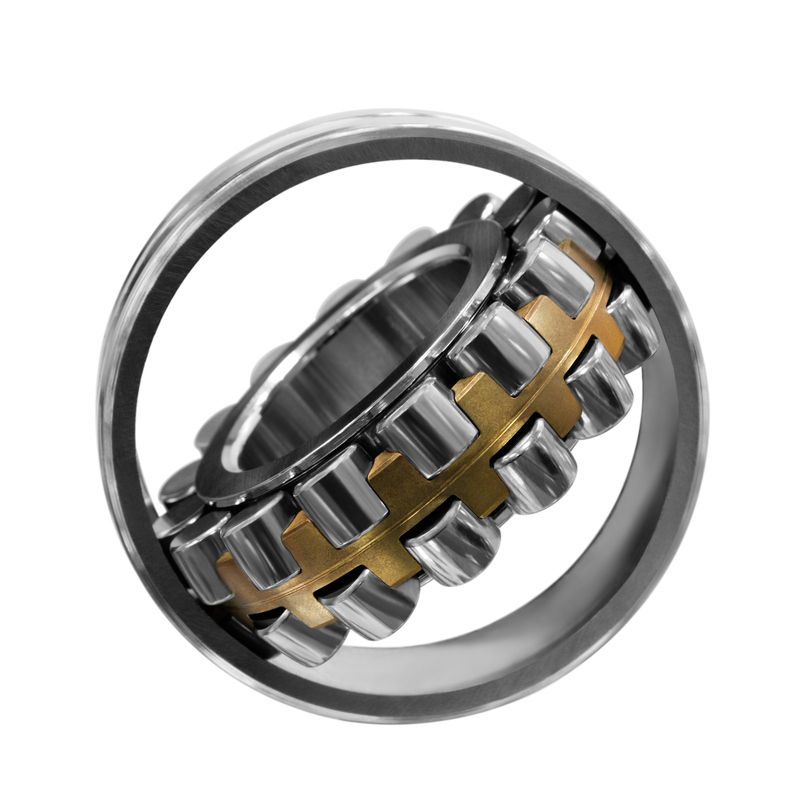
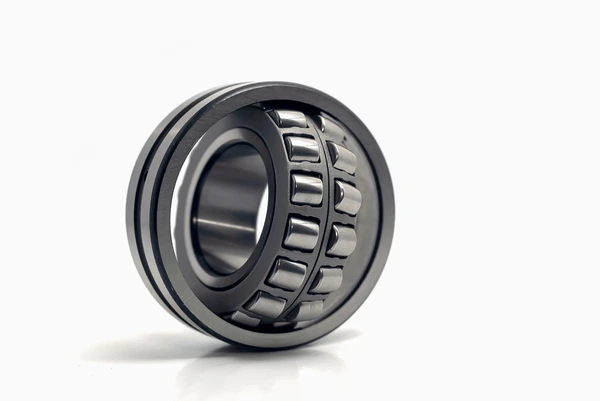
Taking 22315 CD as an example.
21000, 22000, 22200, 22300, 23000, 23100, 23200, 24000, 24100
Last two yards times 5
Ex. 22315 CD --- 75mm、24124 --- 120mm、23272 CAK --- 360mm
To see further detail please refer to catalogue:
Taking NU2214 EWS as an example.
NU、NJ、NUP、N、NF、NH、NNU、NN
Last two yards times 5
Ex. NU2214 EWS--- 70mm、NU409 --- 45mm、NJ330 EM--- 150mm
Design & Cage
To see further detail please refer to catalogue:
_LI.jpg)
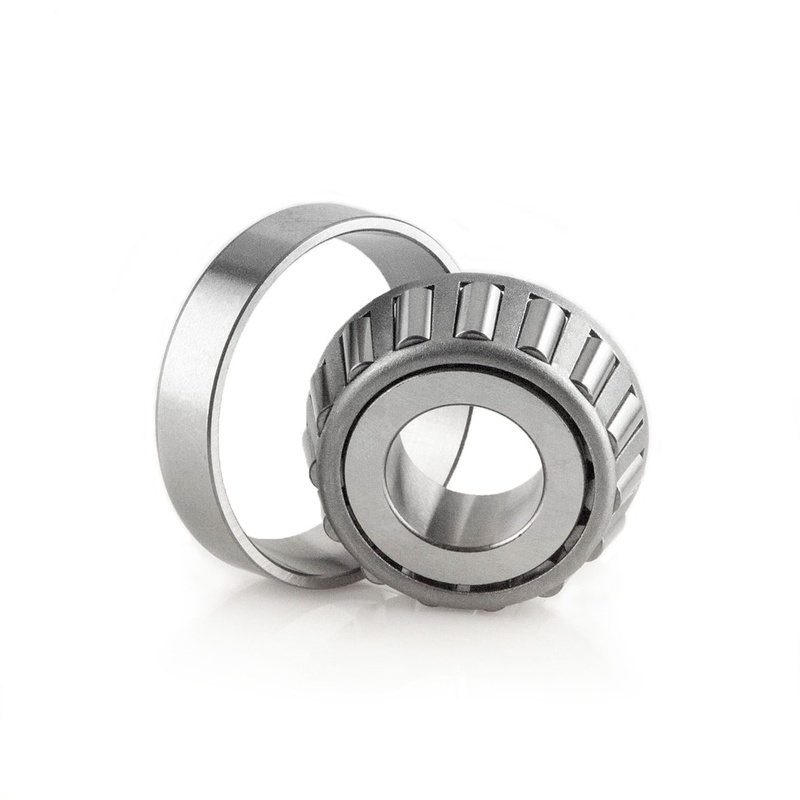
Taking HR30203 XJ as an example.
HR – High Capacity
30200、30300、31300、32000、32200、32300、32900、33000、33100、33200
To see further detail please refer to catalogue:
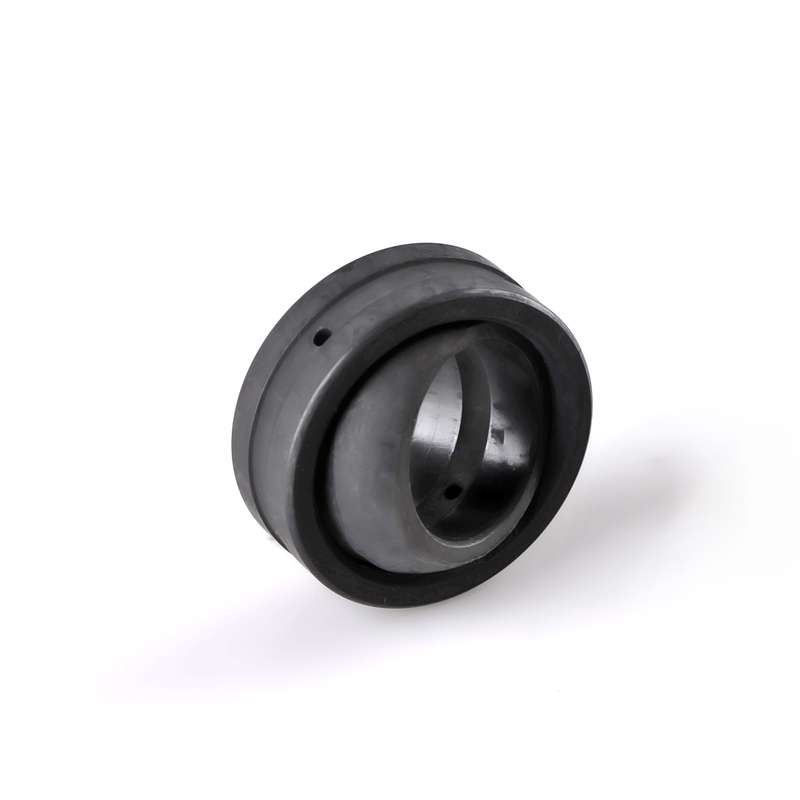
Taking GE12E, and PHS 8 as an example.
GE、SB、PHS、POS、RBH、CF、CFH
The numbers in these bearing number are exactly their inner diameter.
Ex. GE12E --- 12mm、PHS 8 --- 8mm、SB 25 --- 25mm、CF 10 --- 10mm …
To see further detail please refer to catalogue:
Further reading:
Understanding Features and Applications of Spherical Bearings (Also Known As Ball Joint Bearings)
A bearing number is a sequence of digits and letters indicating the bearing type, dimension series, bore diameter, sealing type, tolerance class and internal clearance. Take deep groove ball bearing 6205: the first digit "6" indicates a single-row deep groove ball bearing, and the last two digits "05" are used to calculate the bore. Suffix letters (such as ZZ, 2RS, C3) further specify the sealing and clearance. If you only have an old bearing number and no drawing, sharing the application and operating conditions alongside it helps ISK Bearings interpret the specification and assess matching types.
A 6205 deep groove ball bearing has a 25 mm bore. For deep groove ball bearings (6xxx), the bore conversion works as follows: 00 = 10 mm, 01 = 12 mm, 02 = 15 mm, 03 = 17 mm; from 04 onward, multiply the last two digits by 5, e.g. 04 = 20 mm, 05 = 25 mm, 06 = 30 mm. So the "05" in 6205 means 5 × 5 = 25 mm. This same rule applies to most ball bearing series, including angular contact and self-aligning ball bearings.
The seal codes at the end of a bearing number indicate the sealing type: Z is a single-side metal shield, ZZ is a double-side metal shield, RS is a single-side rubber seal, and 2RS is a double-side rubber seal; a blank means open with no seal. In addition, N indicates a snap ring groove and NR indicates a snap ring with groove. The sealing choice affects dust resistance, water resistance and grease retention, and should be judged by the actual mounting environment and contamination level. If you are unsure whether to use a metal shield or rubber seal, sharing the operating and environmental conditions lets ISK help assess a suitable seal type.
In angular contact ball bearing numbers, the letter indicates the contact angle: C is 15°, A is 30°, AC is 25° and B is 40°. Take 7006 C: the "7" indicates a single-row angular contact ball bearing, "06" converts to a 30 mm bore, and "C" indicates a 15° contact angle. A larger contact angle gives greater axial load capacity, but the suitable speed and application conditions differ. Selection should be based on the actual axial-to-radial load ratio and speed requirement; sharing your application helps confirm the right contact angle.
Bearing clearance codes indicate the internal radial clearance, chosen according to operating temperature, load and noise requirements. C2 and C0 suit applications needing tight noise and vibration control and precise fitting, such as instruments and low-noise small motors; C0 suits general transmission machinery with moderate load, speed and temperature; C3 suits high-temperature, high-speed applications with high service-life demands, such as automotive alternators and engines; C4 suits high-temperature, high-speed, heavy-impact loads such as crushers and coal-preparation equipment. The wrong clearance can cause seizing (too tight) or noise (too loose), so confirm against actual operating conditions.
For cylindrical roller bearings, the prefixes NU, NJ, NUP, N, NF, NH, NNU and NN denote different rib arrangements and series designs, affecting how the bearing accommodates axial displacement. Take NU2214 EWS: "NU" is the series code, "22" indicates the light-wide dimension class, and the last two digits "14" × 5 = 70 mm give the bore. Design and cage codes such as E (high-capacity design), M (machined brass cage) and W/WS (pressed steel cage) also appear in the number. Rib arrangement should be selected based on axial location needs and load type.
A 22315 CD spherical roller bearing has a 75 mm bore: "223" is the series, the last two digits "15" × 5 = 75 mm, and "CD" indicates a steel cage. Among spherical roller bearing cage codes, CD is a steel cage and CA is a brass cage; for the bore, blank means a cylindrical (standard) bore, K means a 1:12 tapered bore, and K30 means a 1:30 tapered bore. Tapered bores are commonly used where mounting requires a withdrawal or adapter sleeve. If you need to confirm a cylindrical or tapered bore against the housing structure, sharing a mounting drawing helps.
The difference between miniature bearings and deep groove ball bearings can be judged by the number of digits and the bore range. Miniature ball bearings usually carry a 6xx (three-digit) number with a bore under 10 mm; standard deep groove ball bearings are 6xxx (four digits) with a bore over 10 mm; thin-section ball bearings commonly appear as 68xx and 69xx. Miniature bearings also carry different numbers across standard systems—for example, the same 2 × 5 × 1.5 mm miniature bearing is marked 682 under JIS and L-520 by NMB. If you are matching an existing miniature bearing, sharing the bore, outer diameter and width lets ISK help cross-reference.
With a complete old bearing number, the basic specs—type, bore, sealing and clearance—can usually be interpreted first as a starting point for a matching assessment. If the number is unclear, worn, or a special modified item, also sharing the bore/outer diameter/width, the application (equipment type, load, speed, temperature, environment) and required quantity makes the assessment more precise. A drawing or physical sample is even better. With this information ready, ISK can help interpret the specification and assess a suitable matching type and supply arrangement.
Please provide your question. We’ll find you with the best support options.