

.jpg)
Need Support?
Please provide your question. We’ll find you with the best support options.

ISK Bearings | B2B Bearing Wholesale
Table of Contents
- What are miniature bearings and why are they used?
- Where can I find a miniature bearing size chart (PDF download)?
- What materials are miniature ball bearings made of?
- How do I choose the right outer cover (seal/shield) for miniature bearings?
- What are the common applications of miniature ball bearings?
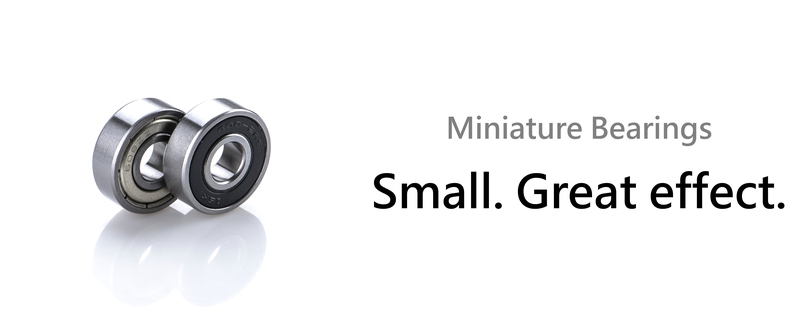
Miniature bearings (also known as small bearings) are essential components in various industries, providing precision motion and reducing friction in compact applications. This chart includes essential information and specifications , enabling users to select the perfect miniature ball bearing for their specific requirements.
Before diving into the chart, it's essential to grasp the basics of miniature ball bearings. These precision-engineered bearings are smaller in size compared to standard ball bearings, with outer diameters ranging from 1mm to 30mm. They comprise an outer ring, inner ring, ball set, and cage, designed to deliver smooth, low-friction motion.
Product page: Miniature Bearings - Bore(d)<10mm 
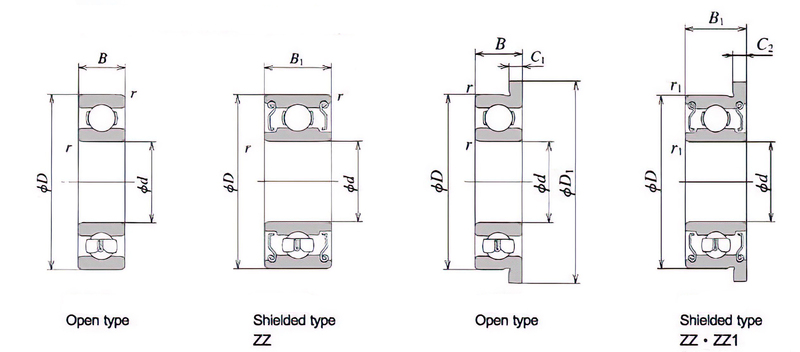
| Bearing No. | Bore(d) (mm) | Outer(D) (mm) | Width(B) (mm) | Weight (g) | D1 | C1 | C2 |
|---|---|---|---|---|---|---|---|
| 604 | 4 | 12 | 4 | 2.19 | 13.5 | 1 | 1 |
| 624 | 4 | 13 | 5 | 3.1 | 15 | 1 | 1 |
| 634 | 4 | 16 | 5 | 5.24 | 18 | 1 | 1 |
| 674 | 4 | 7 | 2 | 0.23 | 8.2 | 0.6 | 0.6 |
| 684 | 4 | 9 | 2.3 | 0.65 | 10.3 | 0.6 | 0.6 |
| 694 | 4 | 11 | 4 | 1.69 | 12.5 | 1 | 1 |
| 605 | 5 | 14 | 5 | 3.46 | 16 | 1 | 1 |
| 625 | 5 | 16 | 5 | 4.95 | 18 | 1 | 1 |
| 635 | 5 | 19 | 6 | 8.5 | 22 | 1.5 | 1.5 |
| 675 | 5 | 8 | 2 | 0.25 | 9.2 | 0.6 | 0.6 |
| 685 | 5 | 11 | 3 | 1.16 | 12.5 | 0.8 | 1 |
| 695 | 5 | 13 | 4 | 2.39 | 15 | 1 | 1 |
| 606 | 6 | 17 | 6 | 5.94 | 19 | 1.2 | 1.2 |
| 626 | 6 | 19 | 6 | 8.12 | 22 | 1.5 | 1.5 |
| 636 | 6 | 22 | 7 | 13.9 | |||
| 676 | 6 | 10 | 2.5 | 0.55 | 11.2 | 0.6 | 0.6 |
| 686 | 6 | 13 | 3.5 | 1.87 | 15 | 1 | 1.1 |
| 696 | 6 | 15 | 5 | 3.85 | 17 | 1.2 | 1.2 |
| 607 | 7 | 19 | 6 | 7.8 | |||
| 627 | 7 | 22 | 7 | 12.7 | 25 | 1.5 | 1.5 |
| 637 | 7 | 26 | 9 | 24.2 | |||
| 677 | 7 | 11 | 2.5 | 0.59 | 12.2 | 0.6 | 0.6 |
| 687 | 7 | 14 | 3.5 | 2.03 | 16 | 1 | 1.1 |
| 697 | 7 | 17 | 5 | 5.26 | |||
| 608 | 8 | 22 | 7 | 11.8 | 25 | 1.5 | 1.5 |
| 628 | 8 | 24 | 8 | 17.1 | |||
| 638 | 8 | 28 | 9 | 28.1 | |||
| 678 | 8 | 12 | 2.5 | 0.7 | 13.2 | 0.6 | |
| 688 | 8 | 16 | 4 | 3.11 | 18 | 1 | |
| 698 | 8 | 19 | 6 | 7.12 | 22 | 1.5 | 1.5 |
The chart provides a comprehensive list of small bearing sizes, including their outer diameter (OD), inner diameter (ID), and width (W). Understanding these dimensions is crucial for finding the perfect fit in your application, ensuring optimal performance and space-saving integration.
 Miniature Ball Bearings Size Chart

When it comes to miniature ball bearings, selecting the right material is paramount for achieving optimal performance and longevity. In this section, we explore the three most common materials used in miniature ball bearings: stainless steel, steel, and ceramic.
While they may not have the same level of corrosion resistance as stainless steel bearings, they are cost-effective and suitable for applications that do not involve exposure to corrosive elements.
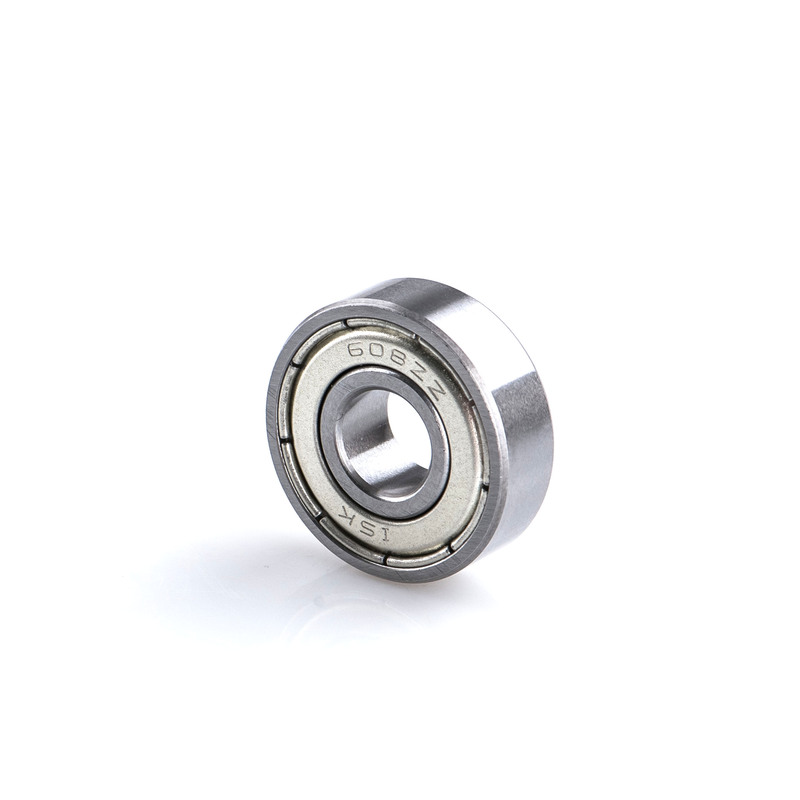
These bearings are crafted from high-quality stainless steel alloys, known for their outstanding corrosion resistance, even in harsh and corrosive environments. As a result, stainless steel miniature ball bearings are well-suited for applications exposed to moisture, chemicals, and varying temperatures.
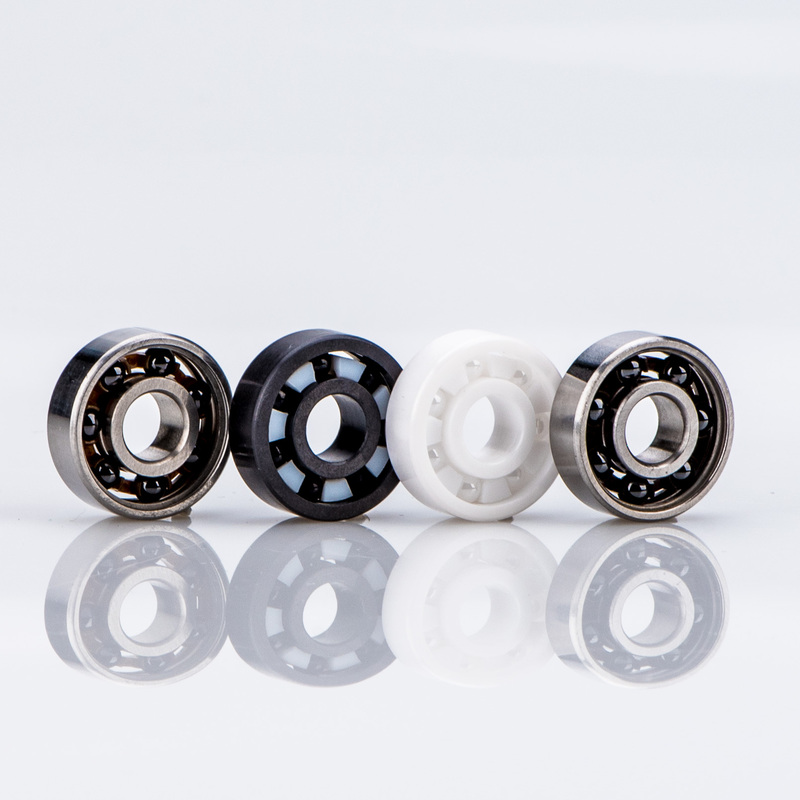
Ceramic balls exhibit exceptional hardness, lightweight characteristics, and low thermal expansion, making them ideal for high-speed and high-temperature environments. These bearings reduce rotational inertia, resulting in reduced friction and increased efficiency, making them sought after in aerospace, precision instruments, and advanced robotics.
Save time and quickly find the bearing model and size you need. Inquire now.
In addition to materials, the outer cover of miniature ball bearings plays a crucial role in determining their performance and suitability for specific applications. In this section, we delve into the various types of seals and shields available for miniature ball bearings, and how they protect the bearings from contaminants and contribute to their overall functionality.
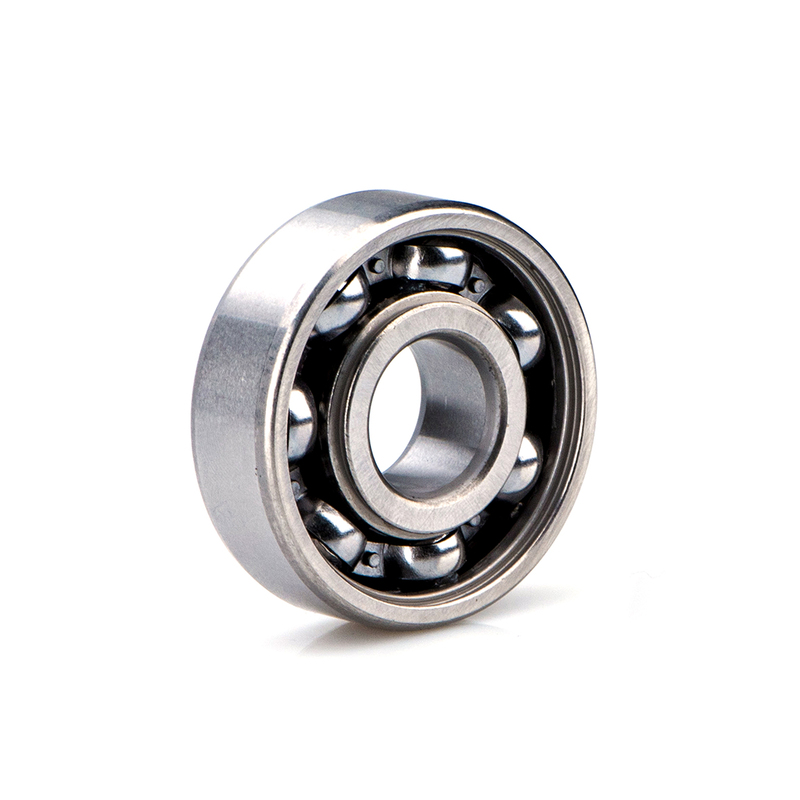
OPEN type bearing cover is a design without a cover, allowing the internal components of the bearing to be exposed to the external environment. This design makes the bearing more susceptible to contamination from dirt, dust, and other external particles.
.jpg)
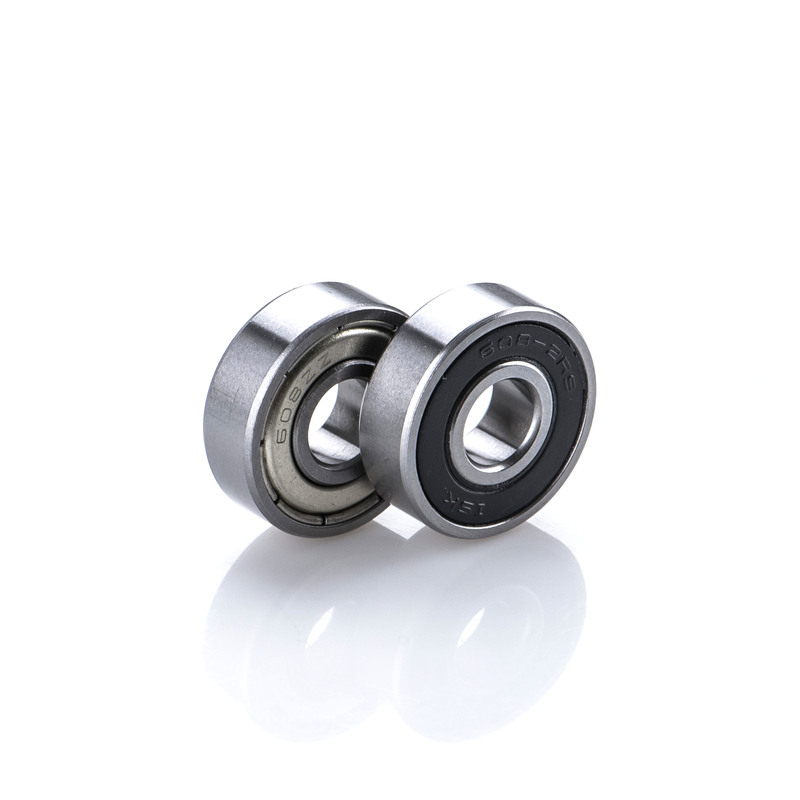
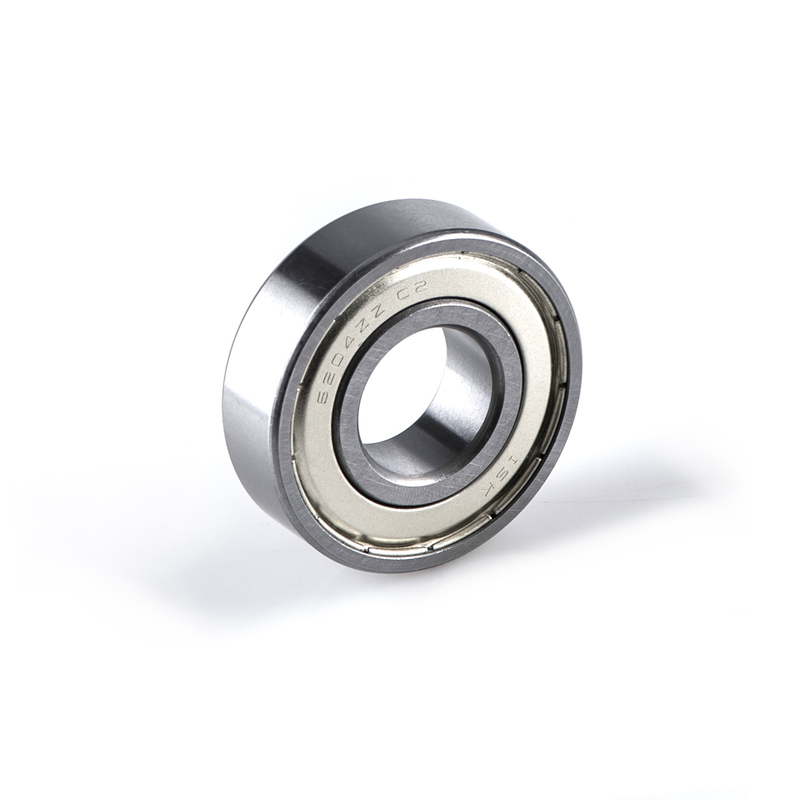
ZZ refers to the bearing with metal shields as the outer cover. The metal shields effectively block dust, contaminants, and other external particles from entering while retaining the lubricant within the bearing.
Miniature ball bearings, with their precision motion and compact design, are indispensable components that find widespread use across a diverse range of industries. These small wonders deliver exceptional performance, contributing to the efficiency and reliability of various systems. Let's explore the plethora of applications where miniature ball bearings make a significant impact, revolutionizing modern engineering and technology.

Miniature ball bearings low-friction properties enable smooth and accurate motion in robotic arms, grippers, and precision positioning systems. This precision and compactness result in enhanced responsiveness and improved overall performance of robotic applications. Moreover, miniature ball bearings find their way into the aerospace and aviation industries, where lightweight, high-performance components are a necessity.
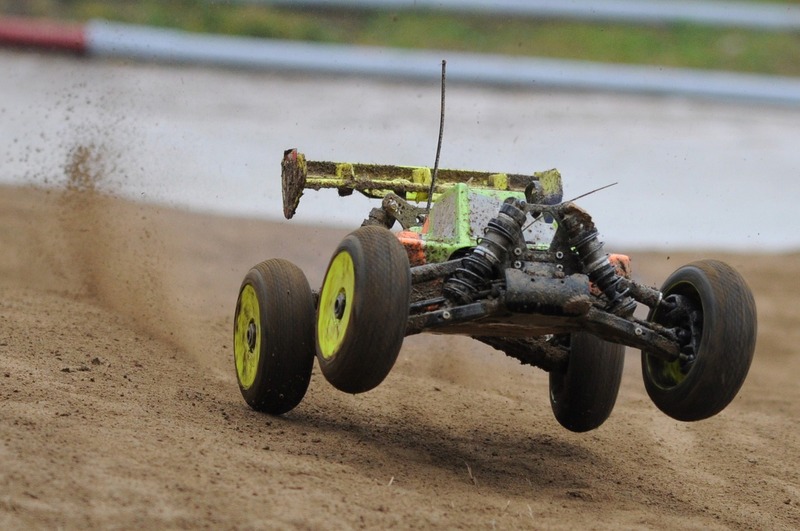
In the medical field, where precision and reliability are paramount, miniature ball bearings are essential components in dental handpieces, surgical tools, and diagnostic equipment. These bearings ensure smooth operation and low noise levels, facilitating accurate and efficient medical procedures. Additionally, enthusiasts in the RC (Radio Control) hobby and miniature modeling communities benefit from the compact size and efficiency of these bearings in their remote-controlled cars, planes, drones, and model trains.
Extended reading:
Needle Bearing Size Chart|Teach you how to choose bearings correctly
Miniature bearings (small bearings) are ball bearings with an outer diameter roughly between 1mm and 30mm. They share the same construction as standard deep groove ball bearings—outer ring, inner ring, ball set and cage—but in a far more compact form suited to space-restricted applications. Because of their small size and low internal clearance, miniature bearings are more sensitive to fitting tolerance, load and lubrication. It's best to confirm the actual operating conditions rather than ordering by part number alone.
The last one or two digits of a miniature bearing's part number usually indicate the bore diameter—for example, 604, 624 and 634 all have a 4mm bore, differing in outer diameter and width. In the size table above, the 604 has a 12mm OD and 4mm width, while the 634 has a 16mm OD and 5mm width. Beyond bore size, confirm the outer diameter, width, load and speed requirements. If you're unsure which option fits within the same bore size, share your shaft diameter, housing bore and load conditions, and ISK Bearings can help assess.
Material choice depends on the operating environment and performance needs. Chrome steel bearings are cost-effective and suit general applications not exposed to corrosive substances; stainless steel bearings offer strong corrosion resistance for environments with moisture, chemicals or temperature changes; ceramic ball bearings are hard, lightweight and have low thermal expansion, making them well-suited to high-speed, high-temperature or precision-instrument use. The final choice still depends on speed, load, temperature and contact medium. Share your application, and ISK can help clarify which material fits best.
Closure type depends on the level of protection required. Open bearings have no shield and leave the internals exposed—suitable for clean environments where re-lubrication is managed separately. ZZ metal shields block dust and particles while retaining lubricant, suiting general dry conditions. RS rubber seals effectively block moisture, dust and contaminants, suiting harsher settings or applications needing higher protection. If you're unsure which protection level applies, describe your environment (exposure to moisture, dust or oil), and ISK can help assess.
Noise or rough rotation in a miniature bearing isn't necessarily caused by the bearing itself. Common root causes include press-fit stress during installation, incorrect housing or shaft tolerances, insufficient or wrong grease, and contaminants entering from the operating environment. Because miniature bearings have little internal clearance, installation and operating conditions have an amplified effect. Identifying the true cause leads to the right fix—share the part number, mounting method and the situation in which the issue appears, and ISK can help confirm the likely direction, avoiding unnecessary replacement costs.
Stainless steel miniature bearings have good corrosion resistance but are not fully rust-proof—whether corrosion occurs depends on the environment, lubrication and cleaning practices. Prolonged exposure to salt, strong acids or alkalis, high humidity, or degraded grease can still produce surface rust spots. For particularly harsh environments, the sealing method and grease grade should be evaluated together during selection. Share your actual contact medium and temperature/humidity conditions, and ISK can help assess a more suitable material and seal combination.
The MOQ for miniature bearings varies by part number, material, closure specification and whether the item is customised—thresholds for standard and custom parts usually differ. ISK Bearings primarily serves manufacturers, equipment makers and brand owners, typically with batch and long-term supply needs. To confirm the MOQ and lead time for a specific part, share the part number, material, closure type and estimated annual usage, and ISK can provide a corresponding quote and supply plan.
To speed up assessment, prepare the following: the required part number or bore/OD/width dimensions, material (chrome steel / stainless steel / ceramic), closure type (open / ZZ / RS), operating environment (speed, load, temperature, exposure to moisture or chemicals), and estimated quantity and lead time. Drawings or samples, if available, are also helpful. The more complete the information, the more precisely ISK can identify a suitable specification and provide a quote. If the specification isn't finalised, describe the application and ISK can help assess the selection direction.
es. When standard sizes, materials or closures don't meet the requirement, ISK Bearings can evaluate a customised solution based on the application—including special dimensions, material combinations or integrated secondary processing. Many partnerships in fact begin with a special specification that standard parts couldn't solve. Share your application, target dimensions, load and environmental conditions, and estimated quantity, and ISK can help assess feasibility and the next step.
Please provide your question. We’ll find you with the best support options.