


 INQUIRE NOW
Need Support?
Please provide your question. We’ll find you with the best support options.

In humid climates and muddy environments, the performance of bearings is crucial because these environmental factors pose significant challenges to the corrosion resistance, sealing, and riding experience of the bearings. Whether you're riding a traditional bicycle or an electric bike, choosing the right bearings is essential to ensure the reliability and durability of your bike.
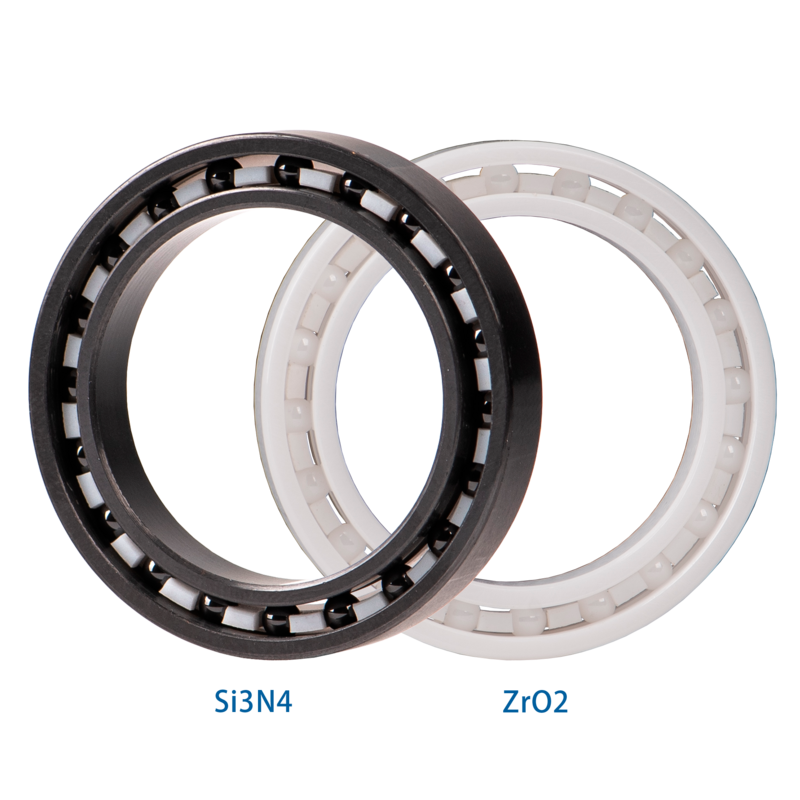
Ceramic bearings could be an ideal choice in wet and muddy environments. Ceramic materials exhibit excellent corrosion resistance, allowing them to operate in humid conditions without being compromised. Furthermore, the smooth surface of ceramic bearings effectively prevents the accumulation of mud and sludge, thereby reducing wear and friction. These characteristics make ceramic bearings a reliable option for bikes operating in challenging weather conditions.
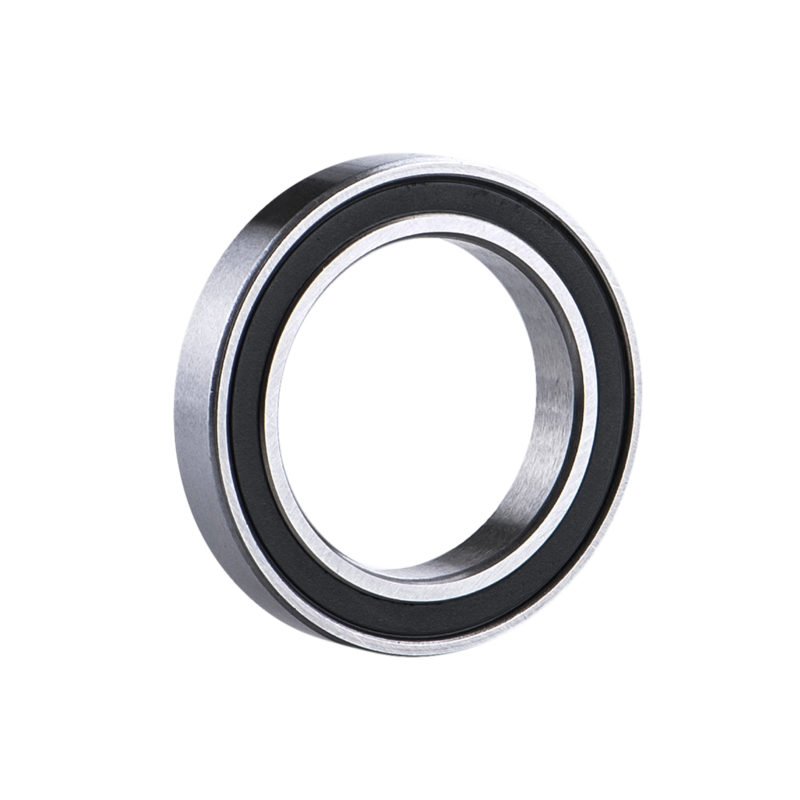
Stainless steel bearings are another suitable option for challenging environments. Stainless steel offers superior corrosion resistance, enabling them to maintain stable operation and extended durability in wet and muddy conditions. When combined with a bearing's sealing design, they can be even more effective in preventing water splashes and mud from entering the interior of the bearing, thus safeguarding internal components from damage. For bicycle applications, stainless steel bearings provide a balance between corrosion protection and cost-effectiveness.
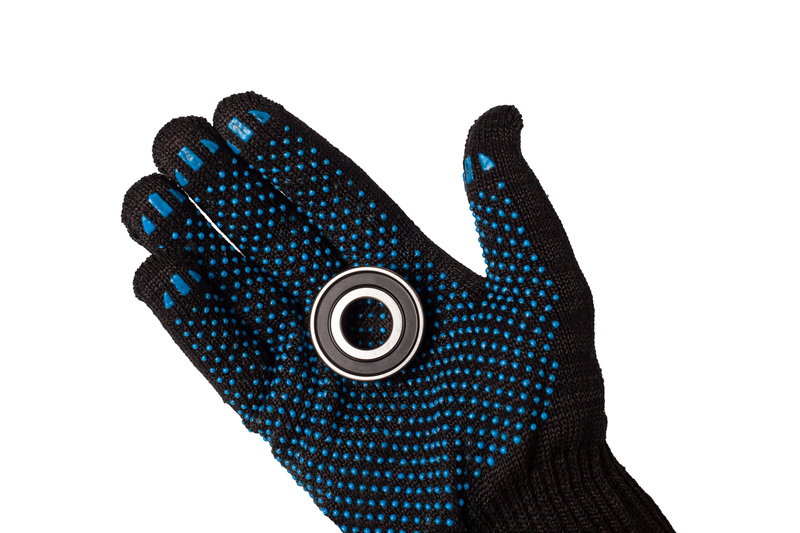
In such challenging conditions, opting for bearings equipped with rubber seals is crucial. Bearings with rubber seals are capable of effectively preventing the ingress of water, mud, and slurry into the bearing, safeguarding internal components from corrosion and wear. The sealing performance is a key factor in determining bearing longevity, especially for bicycles used in outdoor environments where exposure to moisture and contaminants is common.
In conclusion, when dealing with damp and muddy conditions, opting for ceramic bearings, stainless steel bearings, or bearings with excellent sealing properties might be the best choice. It's important to consider the materials' corrosion resistance, sealing capability, and smooth operation to ensure the electric bicycle maintains stable performance and durability in harsh environments. Additionally, performing regular maintenance and cleaning, along with following manufacturer recommendations for replacements, can ensure the bearings remain in optimal operating condition under challenging circumstances.
 Related Content:
Common Materials Used in Bicycle Bearings
How to Clean Electric Bicycle Bearings?
How to Ensure the Durability and Service Life of Selected Electric Bicycle Bearings?
Bicycles use seven main bearing types: hub bearings (6902, 6804) for wheels; headset bearings for steering; bottom bracket bearings for crankset power transmission; pedal bearings (686 model); pulley bearings in derailleurs; frame pivot bearings for suspension linkages; and e-bike motor bearings designed for high-speed, heavy-load applications.
2RS bearings feature rubber seals that effectively block water and dust, ideal for harsh wet environments. ZZ bearings use metal shields offering moderate dust protection and better precision but less water resistance. Choose 2RS for muddy/wet conditions; select ZZ for dry environments requiring higher rotational accuracy.
Consider four factors: (1) Load capacity for radial and axial forces; (2) Material selection—bearing steel (affordable, requires lubrication), stainless steel (corrosion-resistant for wet conditions), or ceramic/hybrid (lightweight, low friction, excellent corrosion resistance); (3) Sealing performance crucial for wet/muddy riding; (4) Tolerance and precision ratings—prioritize material and sealing quality alongside precision standards.
Please provide your question. We’ll find you with the best support options.